Welcome to this week’s edition of “Clearance to Fly.” The aircraft financing world looks markedly different in 2025 than it did just a few years ago and now that we are halfway through the year, I figured a market update was warranted. If you’ve been considering an upgrade to your current aircraft or jumping into ownership for the first time, understanding today’s market dynamics is crucial before signing on the dotted line.
Current interest rates and tighter lending standards have transformed how aircraft transactions are approached. While we’re seeing some positive movement with interest rates beginning a downward trajectory in late 2024, we’re still looking at effective rates of at least 6% for most general aviation loans, significantly higher than the sub-4% deals that were common just a few years ago.
The good news? Banks are now competing more aggressively for borrowers’ business, which creates opportunities for savvy aircraft buyers. Interest rates for piston aircraft owners are currently in the high 6% range – approximately 115 basis points lower than last year. This drop reflects broader economic trends, as 10-Year Treasury yields have fallen 55 basis points this year, with similar decreases seen in mortgage and auto loan rates.
Market Dynamics in the Owner-Flown Segment
The high-end piston and turboprop market remains particularly strong in 2025. We’re seeing interesting movement from two primary groups: experienced pilots looking to upgrade and first-time buyers who entered the market during the post-pandemic period who are now ready for something new.
Many of those first-time buyers who opted for older models to keep initial costs down are now facing significant maintenance needs. This reality check is pushing them toward newer models, affecting both new and pre-owned aircraft sales across the market.
The availability of newer aircraft remains constrained, a trend that shows no signs of changing throughout 2025. This scarcity continues to drive prices upward and impact financing conditions. Adding to this dynamic, the current administration has suggested restoring the 100% bonus depreciation, which could further stimulate demand and competition for desirable models.
What to Expect When Financing
For those planning to finance their aircraft purchase, here’s what you should know:
The average loan-to-value (LTV) ratio is holding steady at 85% for personal/business use and 75%-80% for commercial use (charter, leasebacks, etc.). This gives buyers substantial leverage opportunities while managing risk for lenders.
Loan terms typically range from 15-20 years, with the specific duration often dependent on the aircraft’s age and intended use. This flexibility allows you to structure your loan in alignment with your financial goals and operational needs.
Worth noting for flight schools: aircraft designated for training use are seeing rate increases of 1-2% above standard rates, coupled with increased down payment requirements. This reflects the higher wear and tear these aircraft typically experience.
Fixed Rates: The Smart Play
With so many factors potentially swinging finance rates, fixed-rate deals are highly desirable right now. Even if the initial rate is slightly higher, the predictability can be worth the tradeoff for peace of mind. Remember – you can always refinance later if conditions improve significantly, but locking in a good rate now protects you from any unexpected market disruptions.
The aviation financing environment is relatively stable for now, mirroring conditions observed in 2024.
Factors Worth Monitoring
Several external factors could influence the aircraft finance market as we progress through 2025:
- Ongoing geopolitical situations continue to create uncertainty in global markets
- The push toward sustainability is gaining momentum, potentially affecting financing terms for older, less-efficient aircraft
- Supply chain challenges are showing improvement but continue to impact new aircraft production and delivery times
- The secondary market remains remarkably tight, with storage rates nearing pre-COVID levels and immediate-service aircraft failing to meet demand
Making Your Move
For prospective buyers, particularly those eyeing high-end pistons, now is the time for comprehensive research and diligent financial planning. The competition for desirable aircraft models is intensifying, and waiting could cost you thousands when demand hits its peak.
FLYING Finance offers tailored loan plans that accommodate various usage needs with competitive rates. Our aviation financing experts understand the unique aspects of aircraft ownership and can help you navigate this complex market to secure the financing solution best suited to your specific situation.
Don’t let uncertainty keep you grounded. Contact FLYING Finance today to explore your options and take the next step toward aircraft ownership.
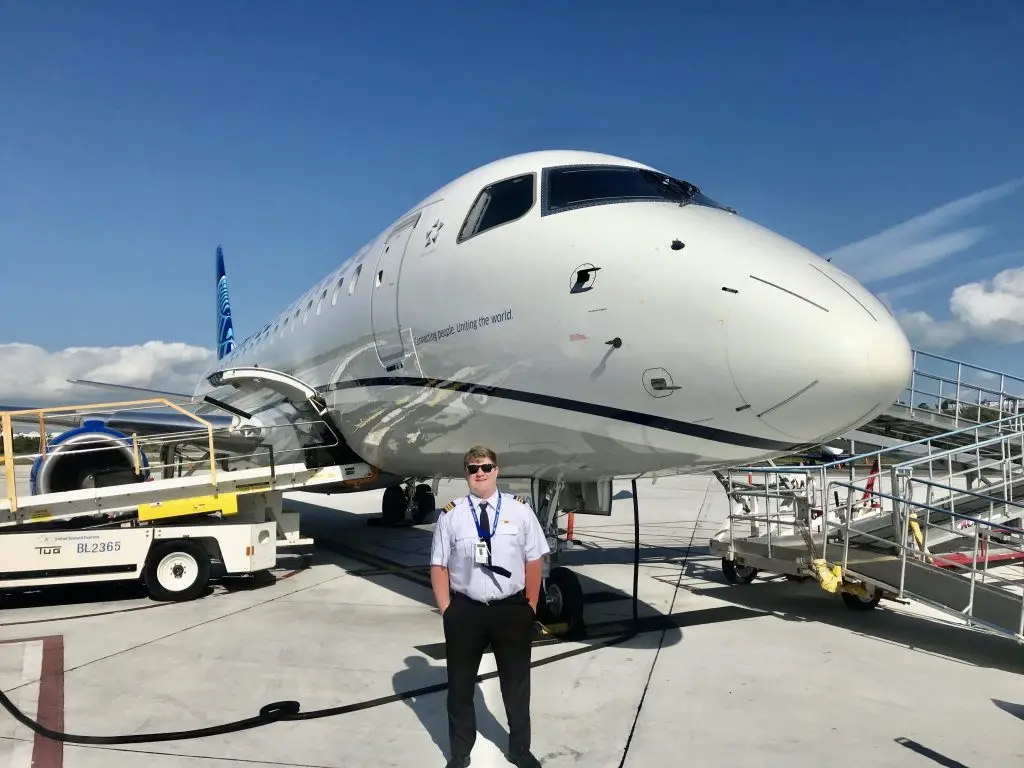
Keller Laseter, Chief Commercial Officer, FLYING Finance
Bringing over 10 years of aviation experience and multiple years in finance, Keller Laseter combines both of those skills to be FLYING Finance’s CCO. His leading knowledge in all categories and classes of fixed wing aircraft helps guide you through the finance process with ease and will leave you knowing you’re in great hands. Keller holds type ratings in the Beechjet 400A/XP/NXT, Embraer E-175 and has many hours in King Airs, along with other high-performance aircraft. Throughout his career, he’s had the opportunity to enjoy the world of aviation and many different operations. As an ATP, CFI, and CFII, aviation is in his blood.
Talk to a specialist
Questions about your situation? Ask a specialist.
Every aircraft and every buyer is a little different. Tell us how to reach you and a FLYING Finance specialist will follow up to talk through your aircraft, your numbers and your timing.
- No credit pull to start the conversation
- Pre-approval decisions in 2–3 business days
- Pilots on staff who know your aircraft
Prefer to call? (702) 757-1176