Backcountry & STOL Financing · Aviat Husky, Maule, Kitfox, CubCrafters & more
Backcountry aircraft are among the most capable and most misunderstood assets in aviation finance. Certified aircraft like the Aviat Husky and Maule M-series finance on standard terms. Experimental build-assist aircraft like the Carbon Cub FX-3 qualify for the same. As part of the FLYING ecosystem that brings you KitPlanes and Plane + Pilot, FLYING Finance understands the backcountry.
The financing landscape
The backcountry market spans three financing categories, and knowing which one your aircraft falls into determines everything about your loan structure.
The Aviat Husky A-1C is FAA Part 23 certified. So is the Maule M-7 series, the American Champion Decathlon and Scout, and the Found FBA-2C Bush Hawk. Certified aircraft finance on standard piston terms: up to 20-year amortization, 15% minimum down, no experimental penalty. Underwriting is straightforward. If the aircraft has current logs, a clean condition inspection, and a real market, it closes like any Cessna or Piper.
Most experimental aircraft like Zenith and Bearhawk finance on standard EAB terms: 15-year maximum amortization, 20% minimum down, and at a slightly higher rate that reflects the smaller market and less familiarity. This segment continues to get more and more attention, narrowing the rate spread with certified aircraft. A well documented build from a reputable kit builder is everything in the space.
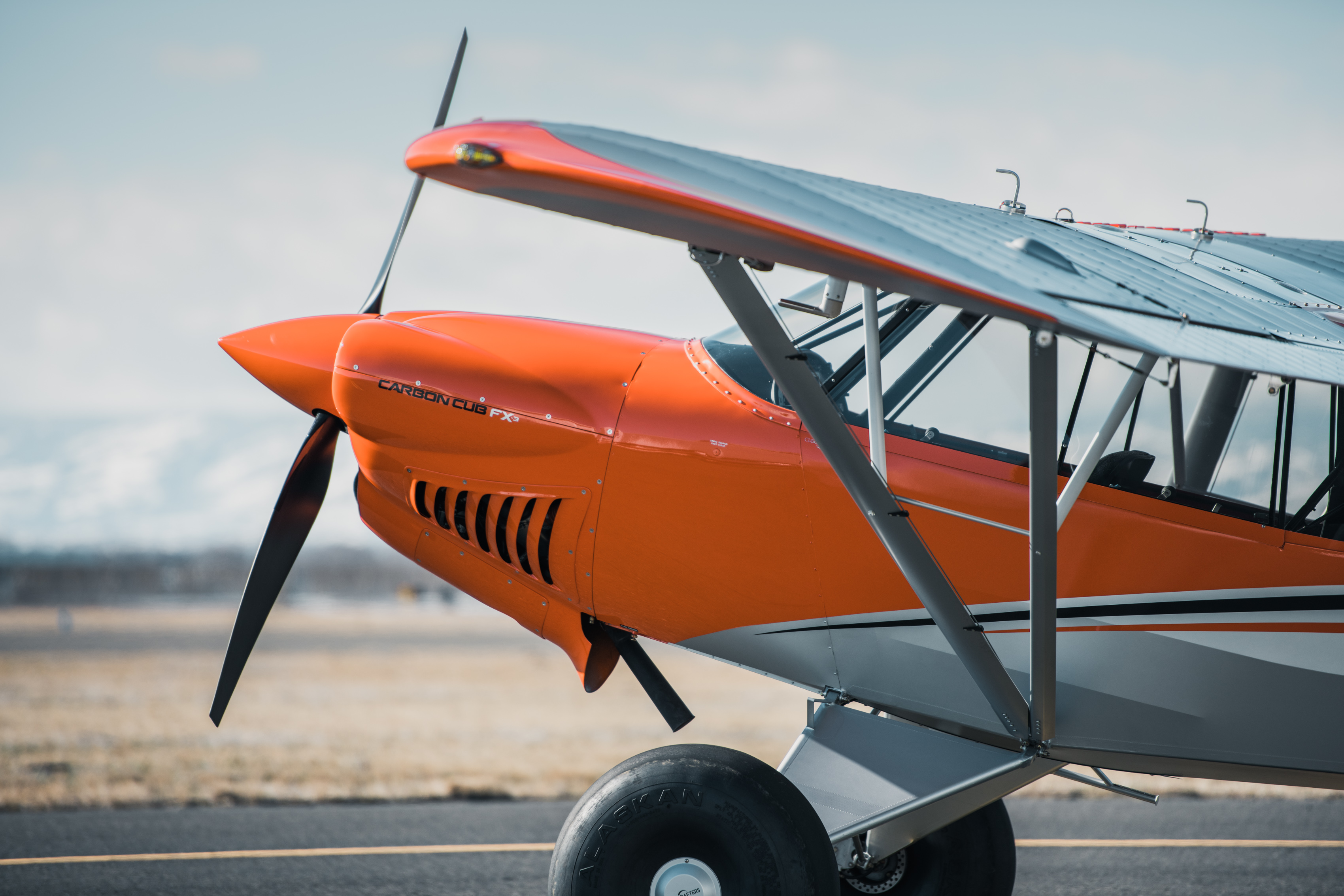
CubCrafters Carbon Cub, XCub, and NXCub are experimental aircraft that qualify for certified-equivalent terms on transactions over $100,000. The reason is simple: lenders who specialize in aviation have written enough of these to treat them as standard collateral. Strong manufacturer history, consistent build documentation, active resale market.
Light sport aircraft in the backcountry category — Carbon Cub SS, Just Aircraft SuperSTOL, Kitfox S7 Super Sport — finance on LSA terms. With the July 2026 MOSAIC provisions expanding the Sport Pilot envelope significantly, the buyer pool for these aircraft is growing. Lender familiarity with the category is increasing in parallel.
Aircraft in the category
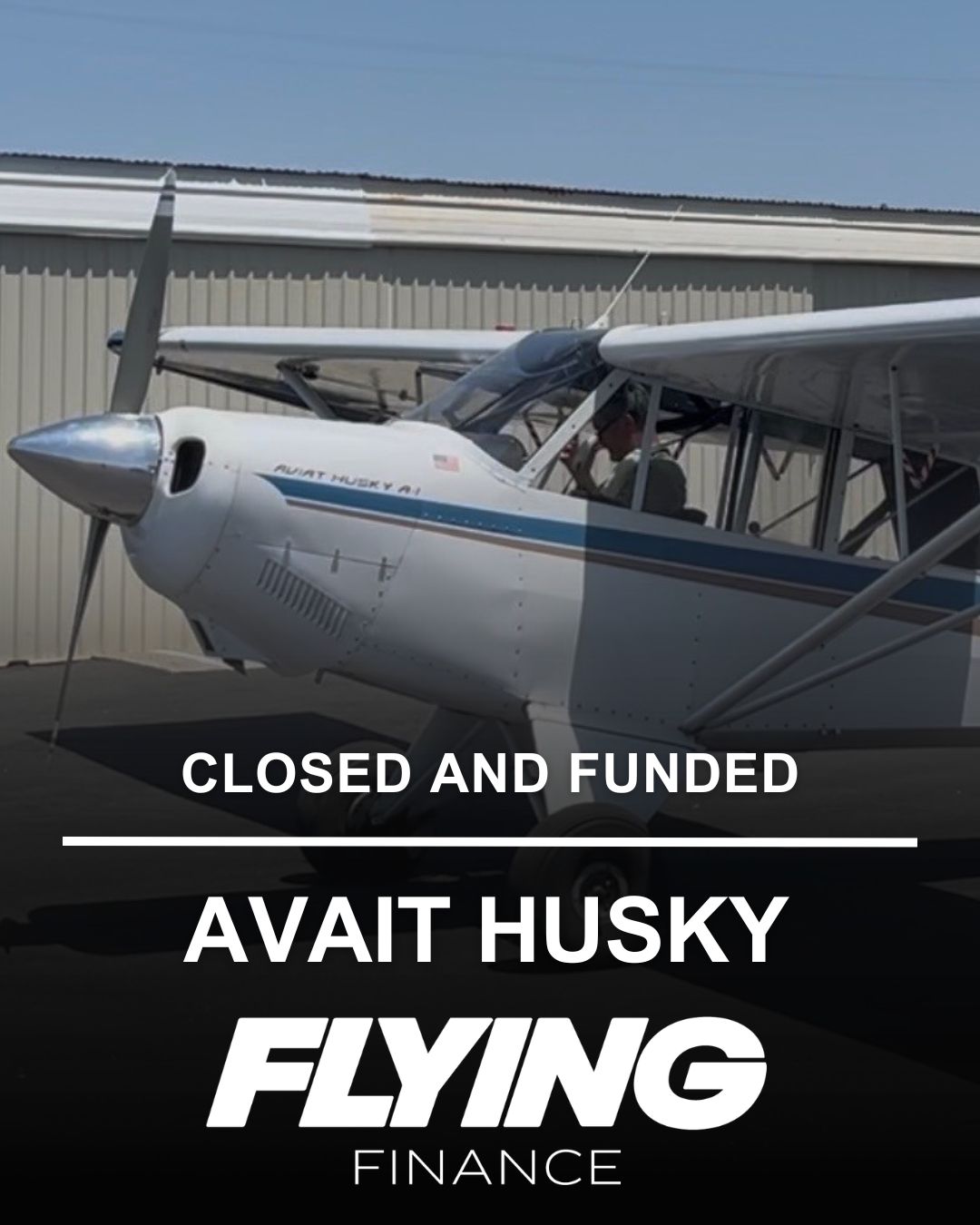
Part 23 certified — standard piston terms, 20-year amortization. Aviat built in Afton, Wyoming since 1986. One of the most liquid certified STOL aircraft in the pre-owned market.
One of the few certified four-seat backcountry aircraft. Maule has been building in Moultrie, Georgia since 1941. Short-field performance that embarrasses much more expensive aircraft.
Purpose-built for utility work — tow, patrol, backcountry access. American Champion Aircraft built in Rochester, Wisconsin. Strong pre-owned market, standard certified terms.
Qualifies for 20-year amortization and no rate adder on transactions over $100K. See the full CubCrafters financing page for complete details.
Standard EAB terms at completion. Builder documentation is critical — full kit receipts, build log, and DAR sign-off materially affect what lenders will offer. Contact us before you start.
The only EAB family spanning two-seat STOL to a 315 hp six-seat hauler. Model 5 grosses 3,000 lb — moose country capability. Full documentation required; active builder community produces well-documented aircraft.
The most-built STOL EAB in North America — thousands of completed aircraft means lenders have seen these before. All-metal construction, proven design. Standard EAB terms at completion with full documentation.
RANS’s purpose-designed backcountry cruiser — side-by-side seating, tundra tire capability, long range. Growing builder community and clean documentation culture. Standard EAB terms at completion.
Van’s first high-wing design brings RV-series build quality and lender familiarity to the backcountry segment. Van’s Chapter 11 resolved in 2024 — kits shipping. Standard EAB terms at completion; Van’s documentation culture is strong.
Certification status is the single biggest variable in backcountry aircraft financing. These are the standard structures — actuals depend on aircraft condition, documentation quality, loan size, and borrower profile.
What lenders need
Backcountry aircraft — especially experimental and builder-assist builds — live and die on paperwork. A well-documented Kitfox with complete records and a DAR sign-off gets a loan. The same aircraft with a missing builder log and a three-year-old condition inspection does not. This is not arbitrary. The lender's collateral is an aircraft that a small pool of buyers can evaluate. Proof of that aircraft's history is what makes it financeable.
Standard documentation: current airframe, engine, and prop logbooks; condition inspection within the past 12 months; valid FAA registration; hull insurance binder; and a signed purchase agreement. A title search is standard. The cleaner the logs, the faster the close. Most certified backcountry transactions close in 2–3 weeks.
Same standard documentation plus: original builder log and sub-kit invoices from the factory build, DAR sign-off, airworthiness certificate, and condition inspection. CubCrafters' builder assist program means these documents follow a known format that lenders understand. Strong build documentation is the reason the rate sheet exception exists.
Builder log covering every hour and phase of construction, all kit receipts and sub-kit invoices, DAR sign-off, original airworthiness certificate, phase-one flight test completion, current condition inspection, and logbooks from first flight to present. Missing pieces in this chain are not negotiable — they reduce the pool of lenders willing to lend. Build with the financing in mind.
All original builder documentation transfers with the aircraft — or should. Before you buy any experimental aircraft, verify that the builder log, all original receipts, and the DAR paperwork are in hand. Buying an EAB without this documentation means buying an aircraft you cannot finance and will struggle to sell. We can advise on what to ask for before you make an offer.
Yes — with the right documentation and the right lender. Standard EAB terms apply on documented, airworthy experimental aircraft at completion: up to 15-year amortization, 20% minimum down, and a rate adder of 75–100 bps over certified. CubCrafters Carbon Cub, XCub, and NXCub qualify for certified-equivalent terms on transactions over $100,000 — a narrow but important exception. The category that struggles most is undocumented or partially-documented home builds, not the category itself.
The Husky is Part 23 certified, so it finances on identical terms to any other certified piston: up to 20-year amortization, 15% minimum down, and no experimental rate adder. It gets the best available backcountry terms by default — not as an exception but as a certified aircraft. The CubCrafters rate sheet exception exists specifically because the Carbon Cub and XCub are experimental, yet lenders treat them like certified aircraft. A new Husky finances easier. A new XCub finances nearly as well, but requires the right lender.
Yes, on standard EAB terms at completion: 15-year maximum amortization, 20% down, and a rate in the 6.97% range for a well-qualified borrower. The critical variable is documentation. A fully documented Kitfox with complete kit receipts, a comprehensive builder log, DAR sign-off, and current condition inspection will close with lenders in our network. Incomplete documentation — especially missing builder logs or kit receipts — significantly narrows your options. If you are mid-build, now is the time to get organized.
MOSAIC (effective July 24, 2026) expands the Sport Pilot envelope significantly — higher stall speed limit, additional aircraft categories, and more operational flexibility. Every major backcountry LSA meets the new VS1 threshold. This expands the buyer pool for backcountry LSA aircraft, which over time improves resale liquidity and lender confidence. On the financing side, the underlying loan terms for LSA do not change with MOSAIC — but the market getting deeper is a long-term positive for collateral values.
Float-equipped aircraft add complexity to the collateral profile. Certified aircraft on Edo or Wipline floats — Maule M-7, Husky on amphibious floats — are financeable, but float configuration affects appraised value and lender appetite. Some lenders treat floatplanes as a distinct collateral category and apply additional scrutiny to the float installation documentation. We recommend disclosing float configuration upfront and allowing for a longer closing timeline. See our floatplane financing guide for full details.
Most lenders in our network have a minimum loan of $35,000–$50,000. Given that new certified backcountry aircraft — Aviat Husky, CubCrafters XCub — are priced above $230,000, this threshold is rarely a constraint on new purchases. Pre-owned Maule M-series and older American Champion aircraft can fall in the $70K–$130K range and will clear the minimum comfortably. If you are looking at an older, lower-value EAB, contact us first to confirm lender eligibility before investing time in an application.
From the flight deck
FLYING Finance is part of Firecrown Media — the same company that publishes FLYING Magazine, KITPLANES, and Plane & Pilot. Independent editorial coverage worth reading before you finance a backcountry aircraft.
Amelia · FLYING Finance AI specialist
"Backcountry aircraft span three financing categories and the difference matters by thousands of dollars. Ask me about the Aviat Husky vs. Carbon Cub terms, what documentation your EAB build needs, how MOSAIC affects your aircraft's buyer pool, or what a payment looks like on any of these aircraft."
Talk to a specialist
Tell us how to reach you and a FLYING Finance specialist will follow up to talk through rates, down payment and timing for the aircraft you have in mind.
Prefer to call? (702) 757-1176