The General Aviation market in 2026 is defined by a fascinating dilemma for the prospective buyer. Whether your budget is $120,000 to build instrument time or $1.8 million for a pressurized cross-country machine, you are standing at the ultimate aviation crossroads.
Down one path lies the modern revolution: brand-new, factory-built Light Sport Aircraft and Experimental Amateur-Built aircraft like the Sling TSi, Bristell B23, and Tecnam. These aircraft offer glass panels, ballistic parachutes, and FADEC engines burning cheap Mogas or Jet-A, all backed by factory warranties.
Down the other path lies the proven certified fleet: 10-to-15-year-old high-performance machines like the market-leading Cirrus SR22T, the refined Piper Malibu, and legacy workhorses from Cessna, Piper, and Van's Aircraft. These represent heavy-metal capability and established residual values, but some come with the realities of aging airframes and looming maintenance milestones.
At FLYING Finance, we live at this exact intersection. We don't just quote brochure speeds; we underwrite the realities of these specific assets every day. This guide is designed to answer one ultimate question: Which aircraft actually earns its place in your hangar and on your balance sheet?
Before analyzing airframes, we must analyze the capital environment. An aircraft is not just a vehicle; it is a capital asset. Understanding the cost of funds and how underwriters evaluate your specific airframe and personal balance sheet is arguably as important as understanding the cost of fuel.
We frequently speak with buyers who have the liquidity to purchase a $1.2 million aircraft in cash. While writing a check eliminates interest payments, it is often a massive wealth-killer.
The core justification for aviation financing relies on the opportunity cost of capital. If your portfolio is yielding 8% to 10% annually, liquidating those assets to buy a depreciating airplane often triggering capital gains taxes in the process is financially inefficient. By financing the aircraft at competitive aviation rates benchmarked against the United States Treasuries, WSJ Prime Rate, or the Secured Overnight Financing Rate (SOFR), high-net-worth buyers keep their capital working in high-yield vehicles while letting the tax code effectively subsidize the cost of their flying through depreciation schedules.
Aviation lenders do not underwrite like mortgage lenders. To secure the most favorable 15- to 20-year terms in 2026, buyers must understand the exact metrics underwriters use to grade a file:
Loan-to-Value (LTV) Ratios: The era of 100% financing is largely over. For a new, factory-fresh asset (like a Cirrus SR22 G7+), Tier-1 lenders will finance up to 80% to 85% LTV. However, as the collateral ages, the risk increases. For a 50-year-old legacy airframe, lenders will typically cap the loan at 70% to 75% LTV, requiring a much heavier cash down payment to bridge the risk.
Debt-to-Income (DTI): To secure consumer lending rates, underwriters generally look for a global DTI ratio of 40% or lower. For businesses, the underwriting is very similar to standard bank underwriting, with a focus on cash flow coverage ratios.
The Liquidity Standard: Even with strong cash flow, some aviation lenders require post-close liquidity. A standard Tier-1 approval requires the borrower to maintain liquid assets (cash, marketable securities) equal to 12 to 18 months of the aircraft's debt service, while tighter credit boxes include estimated annual operating and maintenance reserves.
Buyers often plug a loan amount into an online calculator, select a 20-year term, and assume their monthly payment will be manageable. For modern composites, this is accurate. But for the legacy market, lenders employ strict Age + Term formulas.
Depending on the lending institution, the age of the aircraft plus the loan amortization term typically cannot exceed a set ceiling often around 23 to 25 years for regional and large banks financing turbine aircraft, and 40 to 50 years for piston aircraft lenders who know the difference between age and hours. If you are financing a 1976 Cessna 182 (which is 50 years old in 2026), the bank may not grant a 20-year term. You must be prepared for compressed 10- or 12-year amortization schedules, which significantly increases your monthly cash outflow requirements. The best rule of thumb is to plan conservatively and let the aircraft finance companies like FLYING Finance pleasantly surprise you.
For buyers purchasing premium Experimental Amateur-Built (EAB) aircraft like the Sling TSi, the process often involves purchasing a "Turnkey Factory-Assist" slot. You are essentially project-managing the assembly of a highly capable airframe over a 6- to 12-month period.
We will get into the benefits of the build-assist program, but financing this construction phase through a traditional aviation lender is an exercise in red tape, as banks are highly averse to lending against unassembled airplane parts without an airworthiness certificate. Some say they do kit financing, but do not, or apply the strictest underwriting.
The most capital-efficient strategy is utilizing a Home Equity Line of Credit (HELOC) or a brokerage portfolio line of credit for the deposits and having aircraft financing lined up for the final purchase. Leveraging these existing credit vehicles strips away aviation-specific underwriting hoops, can be setup within a couple weeks, and allows you to draw cash immediately to pay for your kit, engine, and avionics phases. HELOCs provide flexibility for schedules, change orders or upgrades, and any delays caused by supply chain issues or weather. Once the aircraft is assembled and receives its FAA Special Airworthiness Certificate, FLYING Finance easily refinances the completed, flying asset into a standard 15- or 20-year aviation loan.
Whether you are buying a legacy Cherokee or a 15-year-old TBM, the bank is financing the paper trail just as much as the metal. Missing continuous logbooks even if the missing years are from two decades ago instantly devalues an airframe in the eyes of an appraiser.
Lenders will penalize the aircraft's certified Vref or Aircraft Bluebook valuation by a harsh 10% to 20%, or even up to 30% for high-performance complex aircraft. Because the bank or credit union bases its LTV solely on this reduced appraised value, a "cheap" airplane with missing logs will actually require significantly more cash out-of-pocket at closing to bridge the appraisal gap. You can't prove hours to a DPE with missing flight logs, and you can't prove maintenance (or accidents and repairs) with missing aircraft logs.
Finding the perfect aircraft on the public market or through an off-market connection is only 20% of the battle. Closing the deal without overpaying, inheriting a deferred maintenance nightmare, or taking on a clouded title requires executing a highly structured transaction.
An aircraft transaction is not comparable to buying a luxury automobile or a piece of heavy equipment. It is a complex merger of federal regulatory compliance, mechanical auditing, and strict asset valuation. To protect your capital, you must understand the exact legal and mechanical mechanics that dictate the transfer of an aircraft in 2026.
In a tight inventory market, many buyers attempt to navigate the transaction alone to save the standard 3% to 5% acquisition fee (or flat fee equivalent for piston aircraft). However, a reputable aircraft broker acts as both a project manager and a financial shield.
A broker s true ROI is realized during the pre-purchase phase. They cross-reference the airframe against federal Airworthiness Directives (ADs) and manufacturer Service Bulletins (SBs), ensuring compliance before you take the risk. Most importantly, they act as an unemotional proxy to renegotiate the purchase price when the mechanic inevitably discovers a weeping fuel tank or a corroded spar. They do their job so you can focus on your job. Purchasing an aircraft should not be a taxing, additional vocation for you.
Buyers often look at asking prices and assume that is the number the bank will finance. You must shatter that illusion immediately, because instead of relying on a Loan-to-Cost (Purchase Price) ratio, aviation lenders base your loan on a Loan-to-Value (LTV) ratio, where certified valuation tools like Vref and Aircraft Bluebook are used to determine a market view of the aircraft s value.
The Avionics Depreciation Trap: A seller might ask $300,000 for a 1980 Beechcraft Bonanza because they recently invested $60,000 in a brand-new Garmin G500 TXi and GTN 750 panel. However, avionics depreciate the second they are installed often losing 50% of their retained value on the secondary market. Vref might evaluate that aircraft at only $270,000.
The Cash Reality: If the bank is lending 80% LTV, they are lending 80% of the $270,000 appraised value, or $216,000. You, the buyer, must bring cash to the table to cover your standard down payment of $54,000 plus the $30,000 "appraisal gap" if you are not able to negotiate the price.
The most dangerous sentence in aviation is: "It just had an annual inspection last month, so I don't need a pre-buy."
Never waive the pre-buy. An annual inspection is simply a regulatory baseline defined by FAR Part 43, Appendix D; it dictates whether the aircraft is legally airworthy on that specific day. A pre-purchase inspection is a customized financial audit; it tells you what is about to break and cost you $20,000 in the next six months.
The Rule of Independence: Your pre-buy must be conducted by an independent A&P/IA (Airframe & Powerplant mechanic with Inspection Authorization) who has never worked on this specific aircraft before, ideally located off the seller's home field.
The Renegotiation Tool: The pre-buy is your ultimate leverage. When the independent shop hands you a list of discrepancies (squawks), your broker uses that list to legally demand the seller fix all airworthiness items prior to closing, or reduce the purchase price accordingly. Most mechanical incidents seem to happen after a fresh annual, so do not take the annual as a substitute for a pre buy inspection.
You cannot simply wire $1.2 million to a seller's personal bank account. Or, at least you should not. At FLYING Finance, the use of a specialized aviation escrow firm (such as AIC Title Service or Aero-Space Reports) is completely non-negotiable. Escrow firms orchestrate the filing of FAA Form 8050-2 (Aircraft Bill of Sale) and FAA Form 8050-1 (Aircraft Registration Application) to ensure a flawless transfer of ownership.
Beyond holding funds, escrow agents perform two critical title searches based at the FAA registry in Oklahoma City:
The FAA Title Search: This ensures the seller has the legal right to sell the plane and checks for hidden mechanics' liens or unpaid hangar fees. If you buy an aircraft without clearing the title, the previous owner's debts become your debts.
| Asset Class | Year 1 Depreciation | Year 5 Retained Value | Market Liquidity |
|---|---|---|---|
| Factory New (Part 23 Piston) | -15% to -20% | 65% - 75% | High |
| Used Late-Model (5-10 Yrs) | -3% to -5% | 85% - 90% | Very High |
| Premium Experimental (E-AB) | -0% to -5% | 90% - 100%+ | Medium-High |
| Entry-Level Turbine | -10% to -15% | 70% - 80% | High |
If financing secures your asset, a well-structured insurance policy secures your operational freedom and your wealth. In 2026, navigating the aviation insurance market requires hard data and strategy. Carriers are not looking to decline coverage; they are looking to underwrite well-managed, statistically proven risks.
At FLYING Finance, we help our clients view insurance as a structural partnership rather than a hurdle. By understanding the exact percentages underwriters assign to pilot experience and aircraft complexity, we can position you to secure the most favorable terms. Furthermore, mapping your medical certification journey to the latest FAA statutes will seamlessly dictate which airframes make the most financial sense.
For standard, fixed-gear aircraft (like a new Tecnam P2010 or a proven Cessna 182), insurance premiums for current, well-qualified pilots are highly predictable. However, stepping up to a retractable gear aircraft, a multi-engine platform, or a pressurized cabin triggers what underwriters classify as the "Complexity Premium."
The Hull Rate Baseline: In 2026, a proficient Private/IFR pilot flying a fixed-gear single can expect an annual hull rate of 1.2% to 1.8% of the insured value.
The Complexity Spike: Transitioning into a high-performance retract (like a Beechcraft Bonanza) or a light twin (like a Diamond DA62) drastically shifts the risk matrix. During your first year in type, expect your hull rates to spike to 2.5% to 4.0%.
The Transition Investment (Mentor Time): When moving into a high-performance aircraft like a Piper M350 or a Cirrus SR22T, underwriters will typically mandate 15 to 50 hours of dual instruction with an approved "mentor pilot" before allowing you to carry passengers. Budgeting $5,000 to $8,000 for this transition training is a mandatory Year One capital expenditure (CapEx) that pays immediate dividends by lowering your Year Two hull rates.
For high-net-worth individuals, adequately protecting personal assets from litigation is paramount. The gold standard in aviation coverage is a high-limit "smooth" policy typically $1,000,000+ USD per occurrence with no per-passenger sub-limits.
The Experience Milestones: In 2026, unlocking a $1M smooth policy generally requires two non-negotiable underwriting milestones: an Instrument Rating (IFR) and approximately 500 hours Total Time (TT).
The Sub-Limit Reality: If you have not yet hit those benchmarks, standard policies will cap your liability at $100,000 per passenger (often written as a $1M / $100k policy). This exposes a massive liability gap. At FLYING Finance, we guide time-building clients to carry a specialized aviation "excess liability" or commercial umbrella policy to bridge this gap while they log the hours required to unlock top-tier smooth limits.
As we advance in our flying careers, the requirements of an FAA Third-Class Medical certificate can become a restrictive bureaucratic hurdle. Fortunately, the regulatory landscape in 2026 has completely transformed, offering unprecedented statutory flexibility that directly impacts your purchasing power.
The BasicMed Expansion (The 12,500 lb Rule) Under the FAA Reauthorization Act of 2024, Congress massively expanded the privileges of 14 CFR Part 68 (BasicMed). You are no longer restricted to 6,000-lb light aircraft.
The New Metrics: Pilots flying under BasicMed (using a state-issued driver's license and a standard Comprehensive Medical Examination Checklist) can now legally operate aircraft with a Maximum Takeoff Weight (MTOW) up to 12,500 lbs, carrying up to 6 passengers (7 occupants total), at speeds up to 250 KIAS, and altitudes up to 18,000 feet MSL.
The Strategic Shift: If you are an aging buyer looking at a heavy twin-engine Cessna 340, a Piper Navajo, or even entry-level turboprops, you do not have to abandon the heavy-metal market just because you dropped your Third-Class Medical.
The MOSAIC Revolution (The 4-Seat LSA) If you wish to step away from the heavy maintenance bills of legacy twins entirely, the final implementation of the MOSAIC (Modernization of Special Airworthiness Certification) rule provides the ultimate alternative.
The Performance Metric: The FAA abolished the arbitrary 1,320-lb weight limit for Light Sport Aircraft (LSAs). Under the new 14 CFR Part 21 and Part 61 revisions, aircraft eligibility is based on a maximum clean stall speed (Vs1) of 59 knots CAS.
The Capability Expansion: LSAs can now feature up to four seats, retractable landing gear, constant-speed propellers, and fly at a maximum level speed (Vh) up to 250 knots CAS.
The Strategic Shift: Sport Pilots can now legally fly highly capable, 4-place cross-country machines (like the Sling TSi) or proven legacy certified aircraft (like the Cessna 172) using just a driver's license. This regulatory shift has turned the 4-seat market into incredibly liquid, highly financeable collateral that allows you to fly indefinitely without traditional medical red tape.
An aircraft is a massive deployment of capital. When structured correctly, it can transform into either a highly protected personal asset or one of the most powerful tax-mitigation tools available to American business owners. However, traditional corporate accountants rarely understand the hyper-specific nuances of aviation tax law.
At FLYING Finance, we see deals completely derailed because a buyer waited until after closing to consult an aviation-specific CPA. To maximize your capital and avoid punitive tax surprises, your tax and revenue strategies must be locked in before the escrow account is ever funded.
Before looking at tax codes, you must define your mission. Lenders, insurers, and CPAs will view your acquisition through one of two lenses:
The Personal-Use Buyer (The Wealth Protection Path): If you are buying a Van's RV-10 or a Sling TSi strictly to fly your family to the lake house on weekends, your goal is not tax deductions it is wealth protection. Your financial strategy should focus entirely on securing a favorable 15-to-20-year owner-flown interest rate, utilizing a Single-Purpose LLC strictly to shield your personal liability, and strategically navigating your state's sales and use tax laws to avoid unnecessary capital drain. You do not need a complex corporate structure to buy an airplane for the sheer joy of flying.
The Business-Use Buyer (The Tax Mitigation Path): If you are an entrepreneur utilizing a Cirrus SR22T or a Piper M350 for regional client visits or job site inspections, the aircraft transforms from a lifestyle asset into a balance sheet strategy. This path unlocks aggressive tax codes but requires rigid IRS documentation and strict operational boundaries.
Whether you are on the personal path or the business path, taking delivery of an aircraft without a precise state tax strategy is the most expensive mistake a buyer can make. If you purchase a $1,200,000 aircraft and take delivery in the wrong state, you could instantly trigger a 6% to 10% sales tax bill a surprise $120,000 liability due immediately.
The Fly-Away Exemption: An aviation CPA will plan your exact delivery location, your first flight routing, and your state-of-basing to legally secure sales and use tax exemptions. Many states offer a "fly-away" exemption, allowing you to take delivery of the aircraft and legally fly it out of the state within a narrow time window (often 10 to 15 days) without triggering local sales tax, provided the aircraft is hangared in a tax-friendly jurisdiction.
The Entity Timing: Your CPA must establish your purchasing entity (typically an LLC) before you sign the purchase agreement or have it assigned before the actual purchase/closing. If you buy the aircraft in your personal name and try to transfer it to an LLC later, you risk triggering a secondary taxable event.
For the business-use buyer, tax policy drives aviation sales, and 2026 is a banner year. The reinstatement of 100% Bonus Depreciation via recent 2025 tax legislation has once again turned aircraft acquisition into a potent financial lever.
The Mechanics of Leverage: You may deduct up to 100% of the purchase price of a new or used aircraft against your gross income in the year of purchase. Because FLYING Finance can often finance 80% to 85% of the aircraft, your tax deduction frequently exceeds your actual cash outlay. If you put $200,000 down on a $1,000,000 aircraft, your business can still deduct the full $1,000,000. At a top marginal tax rate, the cash tax savings in Year One can effectively cover your down payment and first year of operating costs.
The "Active Business Use" Trap: To qualify for Bonus Depreciation, the aircraft must meet the 50% Qualified Business Use test. At least 50% of your flight hours must be for "ordinary and necessary" business travel. Commuting to the office does not count in most cases, but flying to visit regional clients does. We strongly advise our clients to utilize digital logbook systems (like Cirrus IQ or FlightAware integration) to automatically document the business purpose of every flight leg, as the IRS demands contemporaneous records. Make sure you note the hours, distance, purpose and members on board. From a tax perspective, a business flight can quickly become a personal trip if you bring the family to that conference at the beach.
Many buyers attempt to justify the leap into a heavier twin or turbine by planning to put the aircraft on a Part 135 Charter certificate to "let it pay for itself" when they aren't flying it. While revenue generation sounds appealing on paper, the operational reality is much harsher.
Commercial Insurance & Maintenance: Putting your aircraft on a charter certificate immediately reclassifies it as a commercial asset. Your insurance premiums will skyrocket, and your maintenance schedule accelerates drastically. You are now subject to mandatory 100-hour inspections and strict life-limit replacements on parts that a Part 91 (owner-flown) operator could manage "on condition."
The Financing Reality: Lenders view a Part 135 leaseback as a commercial enterprise, which means you will not qualify for the 20-year owner-flown amortization schedules. Commercial loans typically feature shorter terms (7 to 10 years) and higher interest rates to offset the accelerated wear and tear on the collateral.
The Verdict: If you fly your aircraft 100 to 150 hours a year for personal and business use, keep it off a charter certificate. The charter revenue rarely outpaces the accelerated engine depreciation, commercial insurance premiums, and the ultimate frustration of your aircraft being unavailable when you actually want to fly it.
In aviation, the stroke of a regulator s pen can instantly alter asset valuations. While buyers naturally focus on engine times and avionics, the two most massive market forces in 2026 are entirely regulatory. If you are buying an aircraft today, you are buying into the reality of the final MOSAIC implementation (signed July 2025) and the EAGLE unleaded fuel transition.
Understanding the specific metrics of these initiatives is what separates a strategic acquisition from a depreciating liability.
For two decades, the term "Light Sport Aircraft" (LSA) meant a restricted, two-seat airplane capped at a 1,320-lb maximum takeoff weight and a 120-knot top speed. With the final MOSAIC (Modernization of Special Airworthiness Certification) rule taking effect through 2025 and 2026, the FAA completely obliterated the weight limit, replacing it with performance-based metrics.
This did not just change how planes are flown; it fundamentally changed how banks underwrite them.
The 61-Knot / 59-Knot Dichotomy: Under MOSAIC, an aircraft can now be certified as an LSA if it has a maximum landing configuration stall speed (VS0 "dirty") of 61 knots CAS. However, for a Sport Pilot to legally fly it using a driver's license medical, the aircraft must have a clean configuration stall speed (VS1) of 59 knots CAS or lower.
The 250-Knot Expansion: MOSAIC raised the maximum speed limit (VH) from 120 knots to 250 knots CAS, and allows up to four seats, retractable landing gear, and constant-speed propellers. (Note: Sport Pilots are still limited to carrying one passenger, but Private Pilots can fly these same aircraft fully loaded).
The Legacy Resurrection: This specific 59-knot VS1 metric sweeps thousands of legacy certified aircraft most notably the Cessna 172 and the Piper Cherokee 140 into the expanded Sport Pilot umbrella. Because aging pilots losing their Third-Class Medicals can now legally fly these 4-seat airframes, the buyer pool has exploded. At FLYING Finance, we have seen the Loan-to-Value (LTV) ratios of these specific legacy aircraft strengthen dramatically.
The Institutional Shift on Modern LSAs: Previously, lenders viewed LSAs as niche assets restricted to 10-year loan terms. Today, modern MOSAIC-compliant aircraft (like the Sling TSi) command premium 15- and 20-year amortization schedules, dramatically lowering monthly capital requirements.
Through the EAGLE (Eliminate Aviation Gasoline Lead Emissions) initiative, the FAA and industry partners have committed to eliminating 100 Low Lead (100LL) by the end of 2030. In 2026, this is an active financial reality. High-octane unleaded fuel, specifically GAMI s G100UL, officially began commercial truck-to-airplane sales at Reid-Hillview Airport (KRHV) in late 2024 and is rapidly expanding.
When FLYING Finance evaluates collateral, we model this transition. You must do the same for your operating budget.
The G100UL Surcharge: G100UL requires premium chemical components that currently cost roughly $0.70 to $1.05 more per gallon to produce than 100LL. If you finance a legacy twin Cessna burning 30 gallons an hour over 150 hours a year, that is a sudden $3,000+ to $4,500+ increase in your annual operating budget strictly for fuel.
The Transition CapEx (The STC Cost): To legally pump G100UL into a legacy aircraft, owners must purchase a Supplemental Type Certificate (STC) from GAMI. While not exorbitant typically structured as a base airframe fee plus roughly $1.50 to $2.00 per engine horsepower (averaging around $600 for a standard single) it is a mandatory capital expenditure (CapEx) to factor into Year One.
The "Future-Proof" Premium: Because the market abhors uncertainty, aircraft that completely bypass the 100LL drama command massive premiums. Aircraft powered by modern, FADEC-controlled Rotax engines (natively burning unleaded Mogas) or Jet-A burning diesel engines (like the Austro engines in Diamond DA40 NGs) are viewed by lenders as ultimate safe havens. They are completely insulated from unleaded supply chain shocks.
While tax deductions dictate the financial leverage of an acquisition, legal structuring dictates the survival of your wealth. Protecting your aviation asset is as vital as the purchase itself. You must proactively isolate aviation liability from your personal net worth. In 2026, the FAA and IRS have dramatically increased scrutiny on "operational control," meaning your corporate structure is no longer just about liability; it is about the strict legality of your flight department.
The Baseline Rule: High-value aircraft should inherently be owned by a Single-Purpose Entity (SPE).
The Commingling Trap: Do not, under any circumstances, place the aircraft directly into your primary operating company. A localized aviation accident could expose your entire core business and its liquid assets to catastrophic litigation.
The FAA Target: Creating a Single-Purpose LLC that does nothing but provide "transportation" to the owner is a massive red flag. The FAA frequently views this structure as an illegal Part 135 charter operation (often referred to as an illegal Part 134.5 operation).
The Dry Lease Solution & The "Sham" Warning: To legally bypass this trap, buyers must utilize a Non-Exclusive Dry Lease. Under this structure, a "Holding LLC" (the Owner) leases the aircraft to an "Operating LLC" (the User). However, in 2026, the FAA and federal prosecutors are aggressively targeting "sham dry leases" arrangements where the Holding LLC subtly dictates the pilot or provides a package deal. To survive FAA scrutiny, the lease must be a true dry lease: the aircraft is provided strictly without a crew, ensuring the lessee maintains full, legal operational control, including the independent vetting and hiring of pilots. From an accounting perspective, the Holding LLC invoice to the Operating LLC is strictly for use of the aircraft, and the Operating LLC is responsible for paying pilot(s) separately.
The Debt Structure: When structuring a partnership of 3 to 4 individuals sharing an aircraft, aviation lenders often require joint & several guarantees from all members of the LLC, meaning each partner is individually on the hook for the entire debt. What we see more often is separate LLCs for each owner at a fixed ownership percentage, and corresponding loans to each LLC so the personal guarantees do not extend liability.
The Operating Agreement: A boilerplate LLC template will not survive an aviation partnership. The Operating Agreement must rigidly detail scheduling priority and mandate specific, capitalized reserves for major CapEx items like engine overhauls and parachute repacks. This may seem like overkill now, but this will be the determining document if any friction arises between the owners.
The Anonymity Play: For high-net-worth buyers and public figures requiring ultimate privacy, utilizing a Delaware Statutory Trust (DST) is the gold standard. This legal structure keeps your personal name off the easily searchable public FAA Registry.
The Financing Timeline: While FLYING Finance readily underwrites and finances DST structures, buyers must factor in additional time to their closing timeline to allow for the specialized legal vetting required to perfect the bank's lien on the trust.
The word "Experimental" used to conjure images of a retired engineer bucking rivets in a dusty garage for fourteen years. Today, it is a highly corporatized, hyper-efficient assembly line. Manufacturers like Sling Aircraft, Bristell, and Pipistrel have mastered the "Factory-Assist" or "Builder-Assist" model. You fly to their facility, spend two to three weeks working alongside professional technicians using laser-cut, match-drilled aluminum, and walk away with a million-dollar flight experience for under $450,000.
However, from a lending and insurance perspective, financing an EAB requires navigating a highly specific set of federal statutes. If you fail to document the build correctly, your aircraft is legally un-airworthy and financially worthless.
To qualify for an FAA Special Airworthiness Certificate under the EAB category, the aircraft must comply with the "Major Portion Rule" governed by FAA Advisory Circular 20-27G. The amateur builder must complete at least 51% of the fabrication and assembly tasks strictly for their own "education or recreation."
The Finance Reality: You cannot simply write a check to a mechanic, go play golf, and have them build the plane for you. If the FAA determines you used a "hired gun" to bypass the 51% threshold, they will deny or revoke the airworthiness certificate. Lenders know this. At FLYING Finance, before we refinance a completed kit into a permanent 20-year term, we require a meticulously documented Builder s Log (often verified against the FAA s National Kit Evaluation Team [NKET] checklist) to ensure the asset is legally bulletproof.
One of the greatest financial advantages of the EAB market is the maintenance freedom, but buyers frequently misunderstand who is legally allowed to turn the wrench.
The Original Builder: Under 14 CFR 65.104, if you are the primary builder who completed the 51% requirement, you can apply for an FAA Repairman Certificate strictly for that specific tail number. This legal superpower allows you to sign off the aircraft's mandatory annual Condition Inspection, saving you $3,000 to $5,000 every single year in mechanic fees.
The Second Owner Trap: If you buy a used RV-10 or Sling TSi from the original builder, the Repairman Certificate does not transfer to you. As the second owner, you are legally required to hire an A&P (Airframe & Powerplant) mechanic to sign off the annual Condition Inspection. When calculating your operating budget for a used EAB, you must price in standard A&P labor rates.
The modern EAB market has split into two distinct powerplant philosophies, and buyers must choose their ecosystem carefully based on local maintenance availability.
The Rotax Ecosystem (The iRMT Hurdle): Modern commuters like the Sling TSi utilize the Rotax 915 iS or 916 iS. These are liquid-cooled, turbocharged, FADEC-equipped marvels that natively burn unleaded Mogas. (Note: While smaller 100-hp Rotax engines sip 4 GPH, these larger turbocharged variants burn roughly 7.5 to 8 GPH to achieve 145+ knot cruise speeds). The catch? You cannot take a FADEC Rotax to an old-school Lycoming mechanic. Before financing, you must verify local access to an iRMT (independent Rotax Maintenance Technician).
The Lycoming Heavy-Haulers: For backcountry flying or heavy payload missions, raw displacement is still king. This is why Van's Aircraft specifically targeted the massive Lycoming IO-390 (215 hp) for their new high-wing RV-15 bush plane, and the 6-cylinder IO-540 (260 hp) for the RV-10. These proven engines offer the direct-drive torque required to haul heavy loads out of short grass strips, with the added benefit that every A&P mechanic in the world knows how to service them.
When buyers enter the 4-seat experimental market with $350k to $450k to spend, the decision almost always comes down to the two undisputed heavyweights of the category.
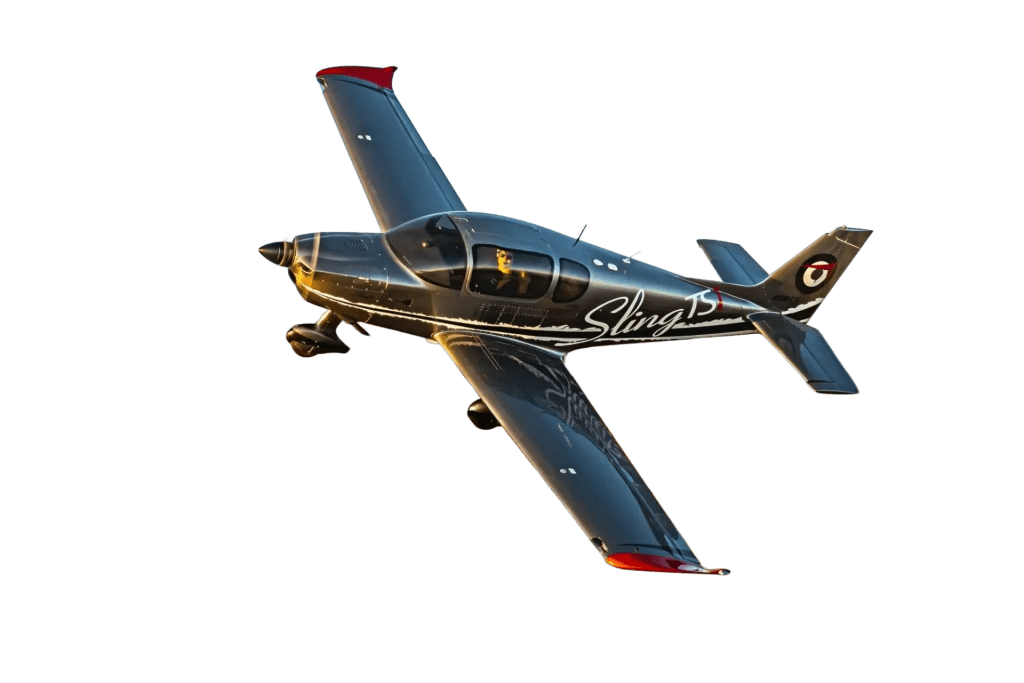
| Engine | Rotax 915/916 iS 141 HP FADEC |
| Cruise | 155 KTAS |
| Range | 1,000 nm |
| Fuel | Mogas or Avgas |
| Useful Load | 950 lbs |
| Safety | Magnum BRS parachute |
| Avionics | Garmin G3X Touch |
The Sling TSi is the darling of the Factory-Assist world. Buyers utilize a HELOC to fund the rapid build at Airplane Factory in Torrance, CA, resulting in a zero-time, highly insurable asset. It burns Mogas and features a parachute operating costs are a fraction of legacy aircraft.
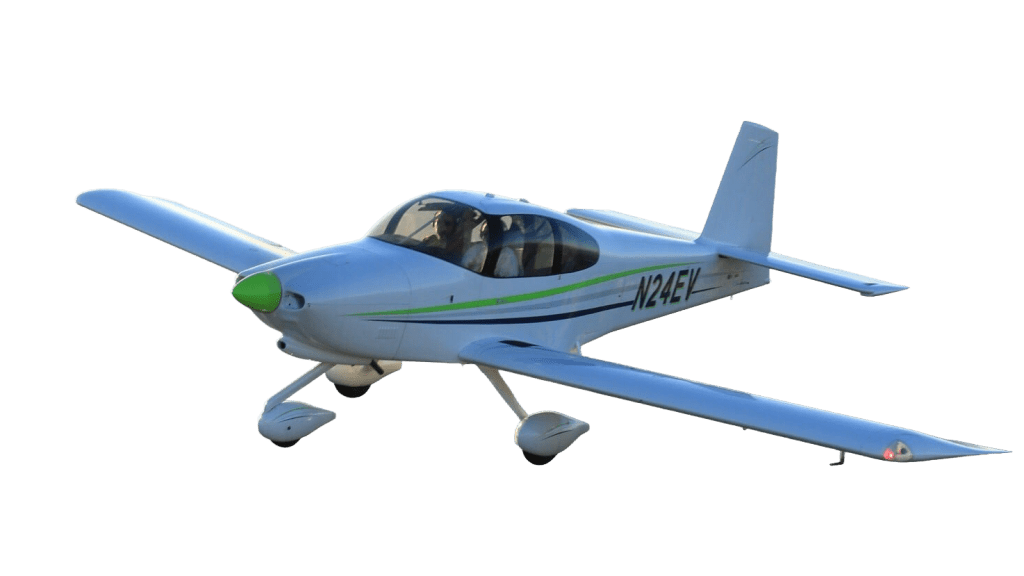
| Engine | Lycoming IO-540 260 HP |
| Cruise | 178 KTAS |
| Range | 900+ nm |
| Fuel | Avgas 100LL |
| Useful Load | 900+ lbs |
| Build | Vans Factory Assist available |
| Avionics | Builder Choice |
The RV-10 is the closest thing the experimental world has to a certified aircraft. Because the fleet is so massive and the secondary market is hyper-liquid, lenders love the RV-10. Vref valuations are rock-solid, often appraising between $300,000 and $450,000 for well-equipped upgrades.
If you want to sip unleaded fuel, demand the safety of a ballistic parachute, and want a guided, rapid factory-build experience, the Sling TSi is the smartest deployment of capital. If you are a speed purist who needs to haul heavy payloads across the country at 175 knots, and you want an asset with the absolute tightest secondary-market liquidity, the Van's RV-10 remains the undisputed king of the 4-seat EAB market.
For the buyer who lacks the time to build an experimental aircraft or strictly mandates the ironclad legal security of a standard FAA 14 CFR Part 23 normal-category airframe, the market used to present a painful binary: spend well over $1,000,000 for a new Cirrus SR22, or spend $250,000 on a 40-year-old legacy airframe.
In 2026, the European manufacturers have completely obliterated that gap. Aircraft like the Tecnam P2010 and the Diamond DA40 NG offer zero-time, factory-new, glass-panel flying in the $450,000 to $600,000 range. They accomplish this by leveraging two massive operational disruptors: the Jet-A piston engine and carbon fiber manufacturing.
As we detailed in Chapter 5, the transition away from 100 Low Lead (100LL) avgas is actively driving up the operating costs of legacy American engines. Modern European manufacturers bypassed this problem entirely by adopting liquid-cooled, turbocharged diesel engines that run on standard Jet-A.
The FADEC Efficiency: Aircraft like the Diamond DA40 NG (powered by the Austro AE300) and the Tecnam P2010 TDI (powered by the Continental CD-170) utilize Full Authority Digital Engine Control (FADEC). There is no mixture knob and no magneto drops. You push a single power lever, and the computers instantly optimize fuel-to-air ratios.
The Operating Cost Arbitrage: A legacy Continental O-470 engine burns roughly 13 to 14 gallons per hour (GPH) of expensive 100LL or G100UL. By contrast, a Continental CD-170 burns a staggering 5.2 GPH of Jet-A at cruise. Jet-A is available at virtually every commercial airport on the planet and is frequently $1.00 to $2.00 cheaper per gallon than avgas. Over a standard 150-hour flying year, this fuel arbitrage alone can save an owner $8,000 to $10,000 annually in direct operating costs (DOC).
When you purchase a 30-year-old aircraft on the open market, you are fully exposed to the "Year One Squawk Tax" the inevitable mechanical failures that surface immediately after closing. When you buy a brand-new Tecnam or Diamond, you are buying predictable capital expenditure (CapEx).
The Warranty Shield: Factory-new aircraft typically include comprehensive 2-to-3-year spinner-to-tail warranties. Lenders love this because it ensures the borrower's cash flow won't be suddenly impacted by an unexpected $35,000 engine overhaul in month four.
Subvented OEM Rates: Authorized dealers frequently have captive financing relationships. At FLYING Finance, we see new Part 23 certified assets easily commanding maximum 80% to 85% Loan-to-Value (LTV) limits on full 20-year amortization schedules, yielding the lowest possible monthly payment.
The Section 168(k) Factor: For business-use buyers, putting a brand-new, zero-time asset into service provides pristine documentation for taking 100% Bonus Depreciation under IRS Section 168(k), without inheriting any previous owner's messy logbook history.
Beyond the balance sheet, modern certified aircraft fundamentally change the passenger experience. For 50 years, loading a passenger into a legacy high-wing aircraft meant forcing them to step on a tiny metal peg, climb over the landing gear, and duck under a wing strut.
Modern composite design allows for structural innovations like the Tecnam P2010 s "Third Door." By utilizing a carbon-fiber fuselage mated to a metal wing, Tecnam engineers were able to carve out a dedicated rear-passenger door. For older buyers or those flying with non-aviation-enthusiast spouses, this automotive-style entry is a massive psychological selling point that keeps the family happily engaged in the investment.
When buyers want a stable, 4-seat, high-wing certified platform, this is the ultimate battle between 21st-century tech and 20th-century payload.
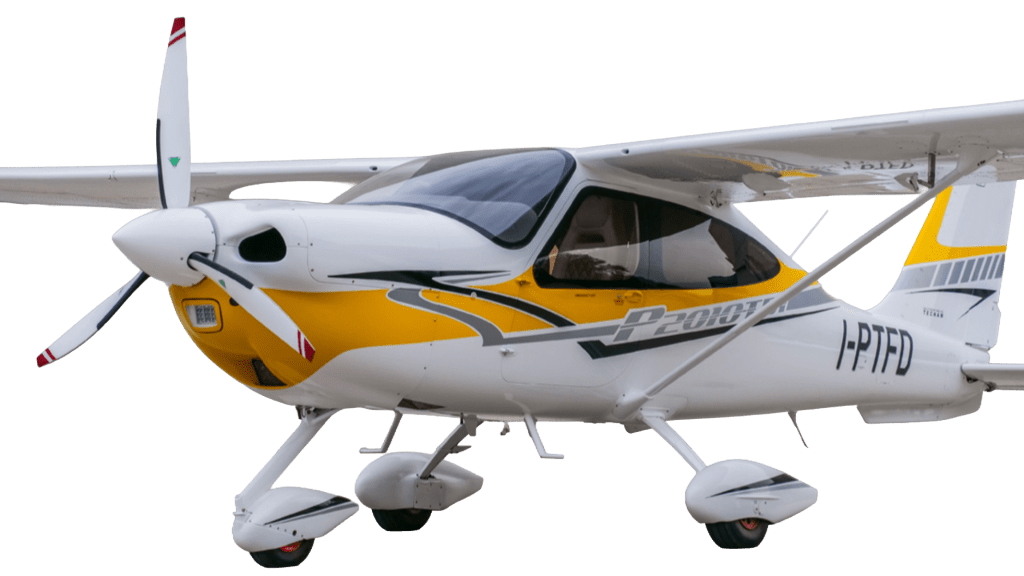
| Engine | Continental CD-170 Diesel 170 HP |
| Cruise | 136 KTAS |
| Fuel | Jet-A (5.2 gal/hr) |
| Useful Load | ~850 lbs |
| Avionics | Garmin G1000 NXi |
| Cabin | Carbon-fiber, 3rd passenger door |
| Type | Part 23 Certified |
With a new acquisition cost around $550,000+, the Tecnam qualifies for premium 20-year financing. It completely insulates the owner from the 100LL fuel crisis, offers factory warranty protection to cap Year One maintenance risks, and boasts some of the lowest hourly direct operating costs in the certified 4-seat market.
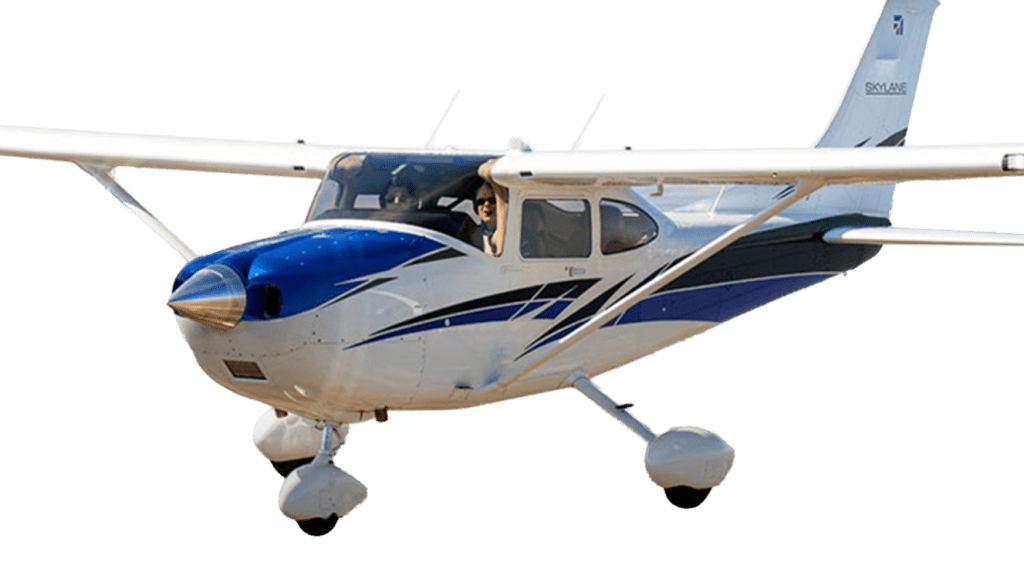
| Engine | Lycoming O-540 230 HP |
| Cruise | 145 KTAS |
| Fuel | Avgas 100LL (13 gal/hr) |
| Useful Load | 1,050 lbs |
| Avionics | Varies by year |
| Production | 1956 to present |
| Type | Part 23 Certified |
The 182 is the absolute definition of a liquid aviation asset. Every flight school, every charter operator, and every private owner knows its value. Despite its age and fuel thirst, the 182 Skylane retains its value better than almost any other aircraft in its class.
If your mission requires yanking four full-sized adults and a weekend of camping gear out of a 2,000-foot grass strip, and you want an asset with bulletproof Vref valuations and instantaneous resale liquidity, buy the Cessna 182. If you prioritize automotive-style ergonomics, FADEC simplicity, and want to permanently insulate yourself from the 100LL fuel crisis while qualifying for 20-year premium financing terms, the Tecnam P2010 TDI is the most capital-efficient certified 4-seater on the market.
This is the ultimate battle of the modern, Rotax-powered luxury trainers. Neither is a stripped-down fabric-covered sport plane they are premium cross-country assets.
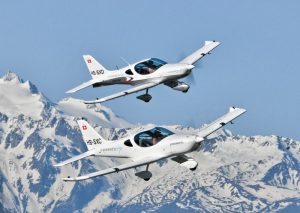
| Engine | Rotax 912 iS or 915 iS |
| Cruise | 135 KTAS |
| Cabin | 51 in wide widest in LSA class |
| Fuel | Mogas or Avgas |
| Avionics | Garmin G3X Touch |
| Build | Czech Republic S-LSA |
| BRS | Ballistic parachute |
Built in the Czech Republic, the Bristell is renowned for having the widest cabin in its class an astonishing 51 inches, wider even than the SR22. Available with the ultra-efficient 100 HP Rotax 912 iS or the turbocharged 141 HP Rotax 915 iS, it qualifies for premium LSA financing terms.
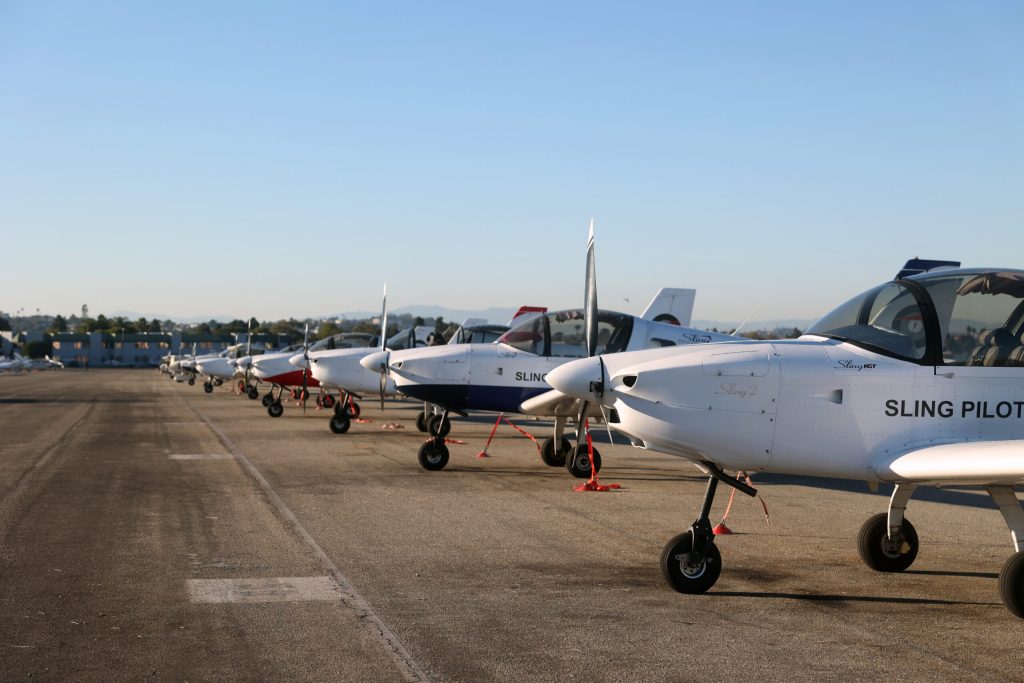
| Engine | Rotax 912 iS 100 HP |
| Cruise | 120 KTAS |
| Range | 800 nm |
| Fuel | Mogas or Avgas |
| Build | All-metal South African |
| Canopy | Fighter-jet bubble canopy |
| BRS | Ballistic parachute option |
The Sling LSA is the most capital-efficient way to get a modern, full-glass, Rotax-powered aircraft with a ballistic parachute. Its all-metal construction makes it uniquely easy for any standard A&P to maintain, eliminating the composite repair specialist problem.
Choose the Bristell B23 if you prioritize the widest cabin in LSA, the highest-spec avionics package, and want a turnkey factory aircraft with a full warranty. Choose the Sling LSA if you prioritize fighter-like bubble canopy visibility, sporty center-stick handling, and a proven, all-metal global flight pedigree.
For the individual pilot whose mission involves Alaskan riverbeds, the Idaho backcountry, or high-density-altitude mountain strips like Johnson Creek (3U2), the requirement is pure STOL (Short Take-Off and Landing) performance. This market is dominated by lightweight, 2-seat tandem (front-to-back) tailwheel aircraft. While these aircraft hold their Vref values exceptionally well, buyers must navigate a highly specific set of insurance and financing hurdles.
1. The "Tailwheel Tax" and STOL Insurance Realities From a financial perspective, the defining characteristic of this class is the conventional landing gear (tailwheel).
The Underwriting Risk: Aviation insurance underwriters view tailwheel aircraft as significantly higher risk for ground-loops and prop-strikes compared to tricycle-gear planes, particularly off-pavement.
The Premium: In 2026, transitioning pilots without significant prior tailwheel time (typically less than 100 hours of "time-in-type") face steep premiums. Expect Year One hull rates to be 1.5x to 2x higher than a comparable tricycle-gear aircraft, alongside strict requirements for 10 to 25 hours of dual instruction before underwriters will approve solo flight.
2. The Certified Legacy vs. The Carbon Disruptor This market forces a choice between legacy Part 23 certification and modern experimental (E-AB) performance.
The Certified Route (Aviat & Piper): Buying a factory-new or late-model Aviat Husky or a rebuilt Piper Super Cub provides absolute financing security. Lenders aggressively underwrite these STOL assets on 15- to 20-year terms because the secondary market is incredibly liquid; a clean Super Cub is effectively aviation cash.
The Experimental Route (CubCrafters): Companies like CubCrafters utilize the Builder-Assist program to bypass certified weight limits. By using carbon fiber and modern titanium components, they produce aircraft that are significantly lighter and more powerful than legacy certified cubs, achieving jaw-dropping sub-100-foot takeoff rolls, but they require the buyer to navigate the E-AB 51% rule.
For the individual pilot whose mission involves Alaskan riverbeds, Idaho backcountry strips, and the absolute limit of what an airplane can do on a 300-foot unimproved surface.
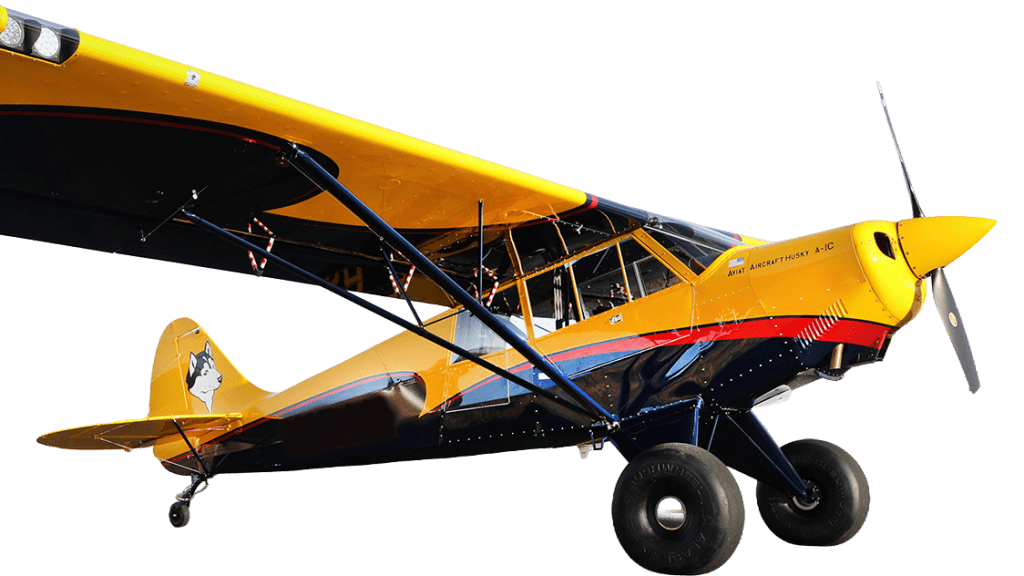
| Engine | Lycoming O-360 180 or 200 HP |
| Cruise | 115 KTAS |
| STOL | 200 ft takeoff roll |
| Gross Weight | 2,250 lbs / ~900 lbs useful |
| Type | Part 23 Certified |
| Fuel | Avgas 100LL |
| Frame | Chromoly steel tube |
As a Part 23 certified aircraft, the Husky A-1C has a documented max gross weight of 2,250 lbs, yielding a useful load of roughly 900 lbs. A clean 2018-vintage example commands $280,000 to $330,000. Lenders love it it has a known Vref, an established insurance market, and documented maintenance.
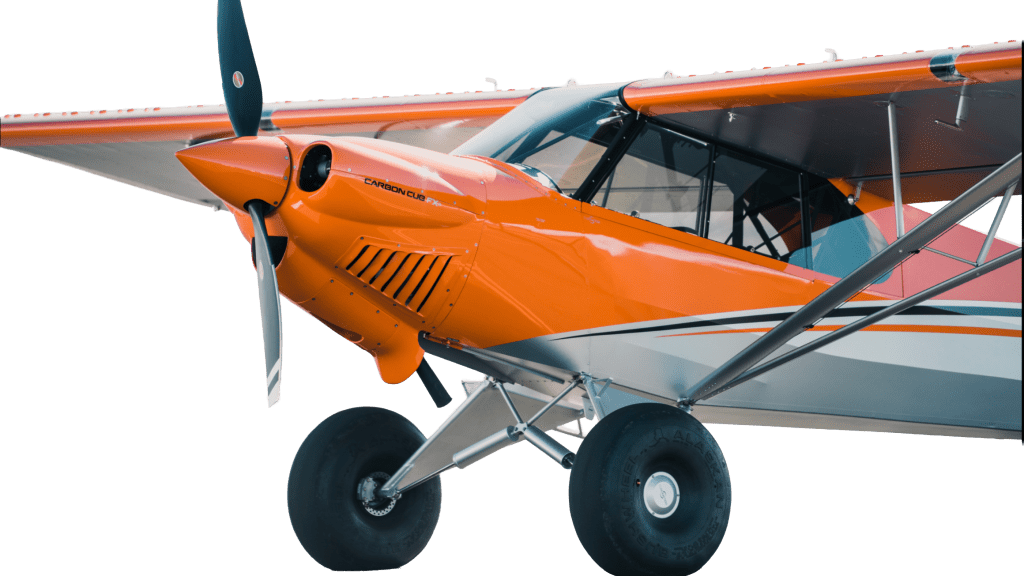
| Engine | CC393i 186 HP fuel injected |
| Cruise | 118 KTAS |
| STOL | Under 100 ft ground roll |
| Airframe | Carbon fiber composite |
| Type | Experimental Amateur-Built |
| Fuel | Mogas or Avgas |
| Weight | Ultra-light for payload |
The CubCrafters FX-3 is the pinnacle of the modern backcountry aircraft. Its carbon-fiber airframe delivers an extraordinarily high power-to-weight ratio, enabling a sub-100-foot ground roll in most conditions. However, its EAB status means lenders treat it as higher-risk collateral.
If your mission requires clearing a 50-foot obstacle from a high-density-altitude Utah riverbed with half a ton of gear, and you are willing to pay a $100k+ premium for carbon-fiber experimental dominance, the CubCrafters FX-3 is in a class by itself. If you demand the ironclad legal security, universally understood maintenance ecosystem, and documented Part 23 certification of a factory aircraft, the Aviat Husky A-1C remains the undisputed STOL benchmark.
When the mission expands beyond a single pilot and a sleeping bag, the 2-seat cubs become obsolete. The "Beasts of the Backcountry" are designed for the buyer who needs to haul 1,000 pounds of gear, an entire hunting party, or massive cargo into a 1,000-foot dirt strip, and then cruise home at an efficient 140+ knots.
1. The Skywagon Vacuum & The CapEx Reality For decades, this segment was entirely dominated by the legacy Cessna 180 and 185 Skywagons.
The Maintenance Reality: In 2026, those legacy Cessnas are now 50 to 70 years old. While their Vref values remain astronomical (often $250,000+), the airframes are succumbing to corrosion, metal fatigue, and the high CapEx of maintaining big-bore Continental engines.
The Modern Replacement: High-net-worth buyers are increasingly pivoting away from aging certified heavy-haulers and funding the construction of brand-new, all-metal experimental heavyweights. Financing a modern kit build through a HELOC and refinancing it into a 15-year aviation loan when the build is complete is a great way to custom build your journey into the backcountry.
2. The Powerplant Economics (Displacement is King) In the heavy-haul backcountry market, turbochargers and FADEC systems are often traded for raw, naturally aspirated displacement. When hauling maximum gross weight out of a short, high-density-altitude strip in the Rockies, instantaneous direct-drive torque is non-negotiable.
When the mission expands beyond a single pilot and a sleeping bag, the financial metric shifts from cost-per-mile to capability-per-dollar.
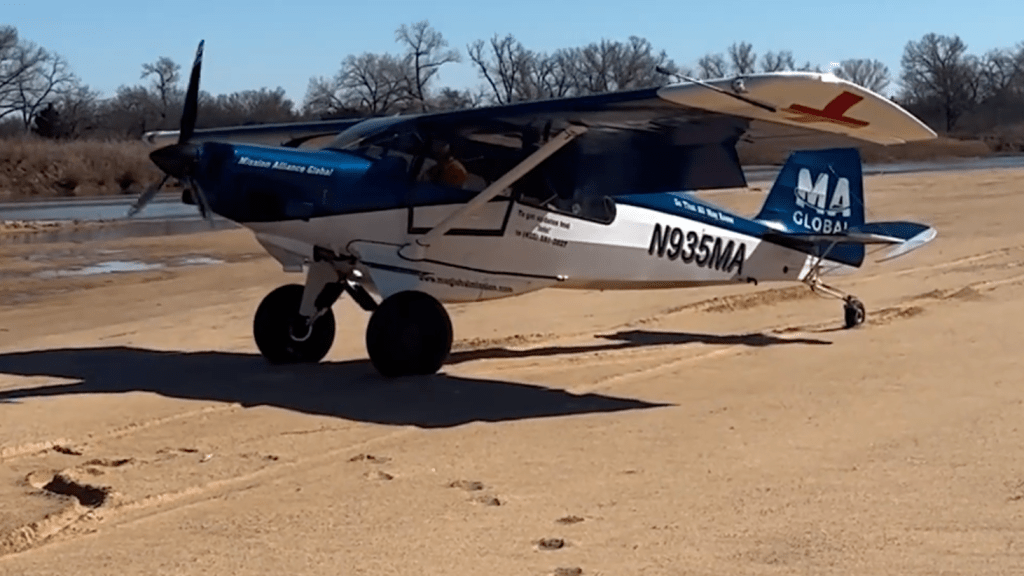
| Engine | Lycoming O-540 260 HP |
| Cruise | 155 KTAS |
| Useful Load | 1,400 lbs |
| Mission | Remote cargo / backcountry |
| Type | EAB Kit |
| Strip | Under 500 ft |
| Seats | 4-5 |
Powered by the massive Lycoming O-540, the Bearhawk 5 offers a useful load approaching 1,400 lbs more than the aircraft's empty weight. It is the only kit aircraft in this category capable of truly replacing a small bush plane. Build costs typically run $90,000 to $160,000.
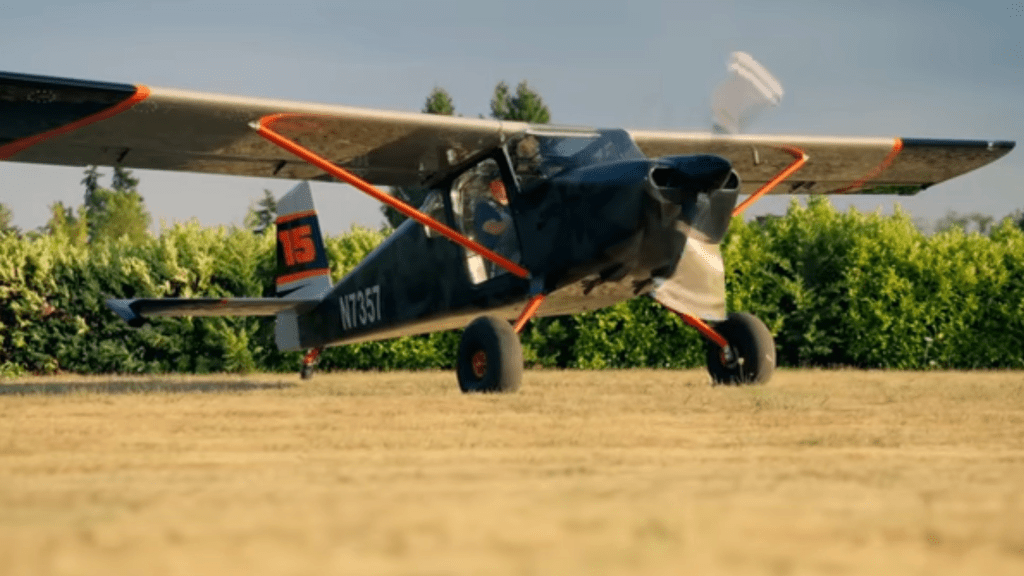
| Engine | Lycoming IO-360 200 HP |
| Cruise | 155 KTAS |
| Useful Load | 950 lbs |
| Mission | Adventure / cross-country |
| Type | EAB Kit |
| Fuel | Avgas or Mogas |
| Support | Largest EAB network globally |
The RV-15 benefits from the most comprehensive builder-support network in experimental aviation. The sheer volume of completed RV aircraft means parts, expertise, and resale buyers are always available. Lenders treat completed RV aircraft as blue-chip EAB collateral.
If your mission demands moving four large adults and 200 lbs of gear into a 1,000-foot unpaved strip at 6,000 feet of density altitude, and capital efficiency is your north star, the Bearhawk Model 5 is the superior value. If you want a hyper-modern, highly liquid expedition vehicle that is cheaper to operate and leverages the undisputed support network of Van's Aircraft, build the RV-15.
In the 2026 flagship market, the defining metric is no longer just horsepower or payload; it is active safety intervention. The FAA's rewrite of 14 CFR Part 23 certification standards ushered in an era of digital co-pilots. Technologies like the Garmin Autoland system and the Cirrus Airframe Parachute System (CAPS) have fundamentally altered how underwriters and lenders view the risk profile of these seven-figure assets.
1. The "Autoland Discount" and Insurance Arbitrage For decades, the single greatest risk to an aviation insurance underwriter was pilot incapacitation in a high-performance aircraft. Today, systems like Garmin Autoland (branded as "Safe Return" or "Autoland" depending on the OEM) allow passengers to push a single button in an emergency. The avionics suite automatically declares an emergency with ATC via data link, selects a suitable airport, avoids hazardous weather, lowers the landing gear, and brings the aircraft to a complete stop on the runway.
The Hull Rate Impact: Underwriters at major carriers have quantified this risk reduction. Because the catastrophic "total hull loss" scenario is virtually eliminated, buyers of Autoland-equipped or CAPS-equipped aircraft frequently see a 15% to 20% discount on their annual hull rates compared to legacy aircraft of similar valuation.
The Liability Shield: For business owners flying non-pilot employees or clients, these active safety nets act as a massive liability shield, making it significantly easier to secure the coveted $1M to $5M "smooth" liability policies (no per-passenger sub-limits) with fewer required hours in type.
2. The 20-Year Amortization Reality Banks love predictability, and there is no asset more predictable than a factory-fresh, carbon-fiber flagship backed by a 3-to-5-year Spinner-to-Tail OEM warranty.
Maximum Financial Leverage: Lenders consider new aircraft from tier-one manufacturers (Cirrus, Diamond, Beechcraft) to be pristine collateral. While legacy 1970s airframes might be compressed into 10- or 12-year loan terms, new flagships command the ultimate standard: 80% to 85% Loan-to-Value (LTV) amortized over a full 20-year term.
The Cash-Flow Strategy: By stretching $1.2 million across 240 months at competitive rates, high-net-worth buyers keep their monthly debt service astonishingly low, preserving their liquid capital for high-yield portfolio investments.
3. The Ultimate Tax Play: Clean IRC Section 168(k) When a business owner buys a new flagship, the transaction is engineered from day one as a balance sheet strategy. Taking delivery of a zero-time asset provides pristine documentation for taking 100% Bonus Depreciation under Internal Revenue Code (IRC) Section 168(k). There are no messy legacy logbooks or previous owner usage histories to muddy the waters during an IRS audit. If the aircraft is placed into service before December 31st and meets the IRC Section 280F 50% Qualified Business Use test, a $1.3 million acquisition can completely offset $1.3 million of the buyer's ordinary income in Year One.
If you have a $1.3 million budget for a piston single, you are inevitably choosing between the undisputed American king and the European carbon-fiber disruptor.
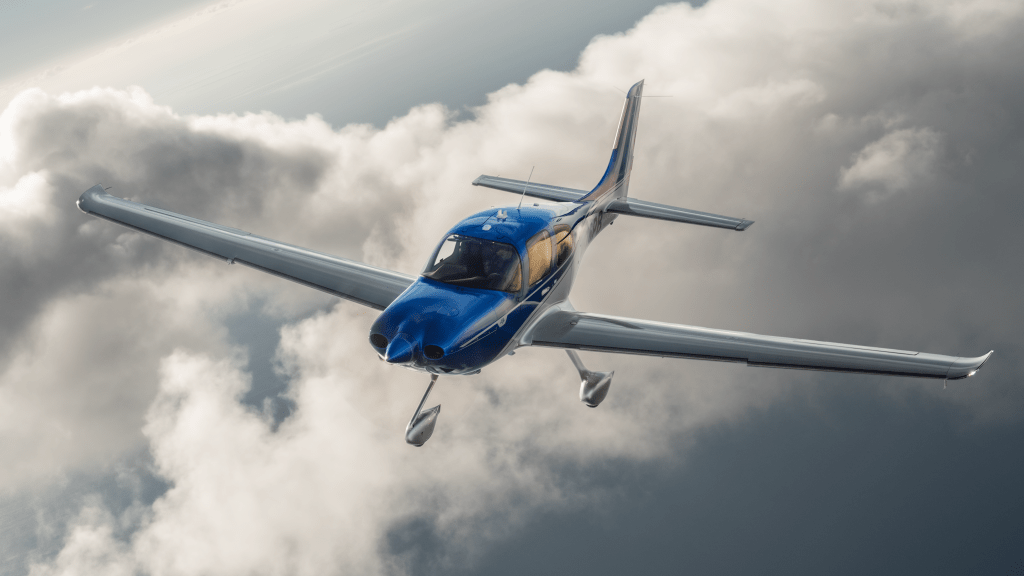
| Engine | Continental TSIO-550-K 315 HP |
| Cruise | 213 KTAS |
| Fuel | ~18 GPH 100LL |
| Safety | CAPS whole-airframe parachute |
| Avionics | Garmin G3000 Perspective+ |
| Cabin | Unpressurized, 4-seat |
| Type | Part 23 Certified |
The G7 represents the pinnacle of Cirrus engineering with the Garmin G3000-based Perspective+ avionics suite, push-button electric landing gear, and enhanced CAPS system. Cirrus commands the strongest brand loyalty and dealer network in piston aviation. Resale is predictable.
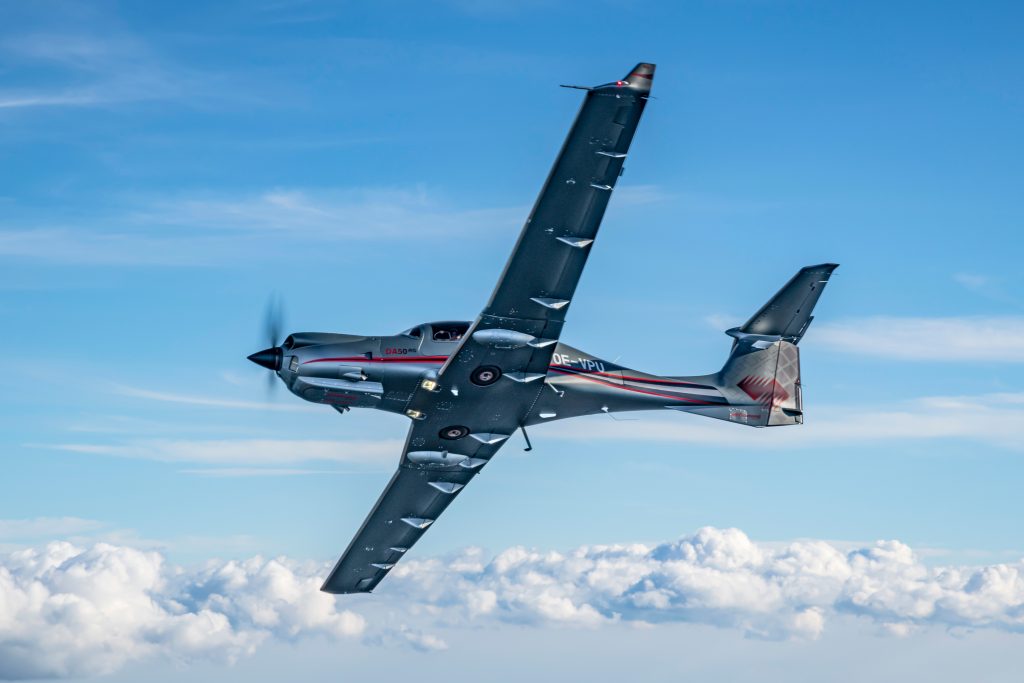
| Engine | Continental CD-300 Diesel 300 HP |
| Cruise | 196 KTAS |
| Fuel | Jet-A (~9 GPH) |
| Airframe | Full carbon fiber composite |
| Avionics | Garmin G1000 NXi |
| Cabin | 5-seat retractable gear |
| Type | Part 23 Certified |
The DA50 is built on an all-carbon-fiber platform, burning Jet-A at 9 GPH. For international operators, this is a decisive advantage. Diamond's Austrian engineering offers a quieter, smoother ride and a modern feel that rivals light turbines.
If your primary mandate is maximum speed (213 knots), the absolute gold standard of brand recognition, a US service network, and the ultimate safety net of a whole-airframe parachute, the Cirrus SR22T G7 is the obvious choice. If you want massive cabin volume, retractable gear ramp appeal, and a future-proof asset that completely bypasses the 100LL fuel crisis by sipping 9 GPH of globally available Jet-A, the Diamond DA50 RG makes a compelling case.
The financial logic of buying a 10-to-15-year-old high-performance aircraft is undeniable. A factory-new flagship will lose roughly 30% to 40% of its hull value in the first five years as the original owner aggressively depreciates it under IRC Section 168(k).
By targeting aircraft in the 2010 to 2016 vintage range (the "Depreciation Sweet Spot"), you acquire an asset whose Vref valuation curve has significantly flattened. At FLYING Finance, we love this market segment. Because the asset's value is stabilized, tier-one lenders will still confidently underwrite 75% to 80% Loan-to-Value (LTV) on premium 15- to 20-year amortization schedules, granting you maximum capital leverage on a highly capable machine. However, once you enter this performance bracket, your geographic mission strictly dictates your airframe. Buying the wrong wing or the wrong induction system for your region is a six-figure mistake.
1. The Geographic Mandate: Density Altitude (The Mountain West) If your primary mission involves crossing the Rockies or flying out of high-elevation airports like Telluride (KTEX) or Leadville (KLXV), a naturally aspirated engine is a severe liability.
The Physics of Altitude: Standard normally aspirated engines lose roughly 3% of their power per 1,000 feet of altitude. A 310-hp engine taking off from a 7,000-foot runway on a hot summer day might only produce 220 hp, completely changing your useful load and climb gradient.
The Turbo/Turbine Requirement: For Mountain West buyers, forced induction is mandatory. You must finance an aircraft equipped with either dual turbochargers (like the Continental TSIO-550-K or Lycoming TIO-540) that can maintain sea-level manifold pressure up to 18,000 feet (FL180), or step entirely into the turbine market, where the physics of a jet engine thrive in thin, cold air.
2. The Geographic Mandate: FIKI (The Northeast & Midwest) If you operate out of Chicago, Boston, or New York, you will inevitably encounter icing conditions. Flight Into Known Icing (FIKI) certification is not a luxury; it is a dispatch-reliability requirement. However, not all FIKI systems are created equal, and lenders view them differently.
TKS Weeping Wings (The Finite Solution): Aircraft like the Cirrus SR22 utilize a TKS system, which pumps a glycol-based fluid through laser-drilled titanium panels on the leading edges. While highly effective, you are limited by your fluid reservoir. A typical SR22 carries enough fluid for roughly 90 to 120 minutes of continuous use. It is an escape system, not a loiter system.
Pneumatic Boots & Bleed Air (The Infinite Solution): Heavier aircraft like the Piper M350 or Daher TBM utilize pneumatic rubber boots (which crack the ice off mechanically) or hot bleed air tapped directly from the turbine compressor. Because these systems run off the engine rather than a fluid tank, they offer infinite duration. Underwriters and dispatchers strongly prefer pneumatic/bleed air systems for hard-IFR winter missions.
When buyers have $600,000 to $900,000 to spend and want the ultimate piston single, the debate always comes down to the parachute versus the pressure vessel.
| Engine | Continental TSIO-550-K 315 HP |
| Cruise | 213 KTAS |
| Ceiling | FL250 |
| Safety | CAPS Parachute |
| Cabin | Unpressurized 4-seat |
| Value | Best resale in class |
| Type | Part 23 Certified |
Powered by the turbocharged TSIO-550-K (315 HP), the G3-G5 Cirrus cruises at 213 KTAS at FL250, burning roughly 17.5 to 18.5 GPH. Features the CAPS parachute, TKS FIKI, and Garmin Perspective. The used Cirrus market is the most liquid in piston aviation.
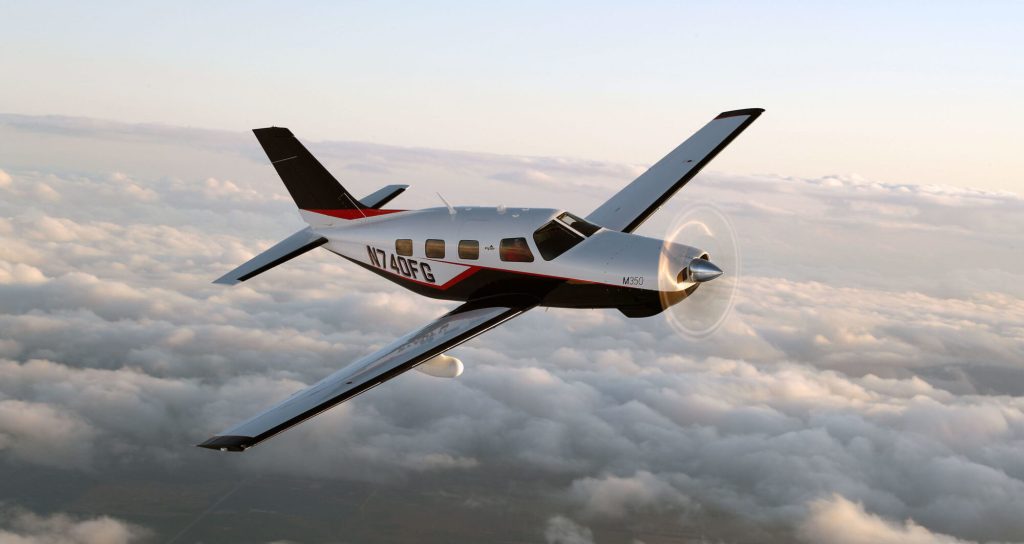
| Engine | Continental TSIO-520 350 HP |
| Cruise | 213 KTAS |
| Ceiling | FL250 |
| Cabin | Pressurized 5.5 PSI |
| Range | 1,343 nm |
| Passengers | 6 seats |
| Type | Part 23 Certified |
The Mirage/M350 holds a unique position in the market as the only pressurized piston single that can be acquired for under $900,000. Its Lycoming TSIO-520 at 350 HP delivers the same 213-knot cruise as the Cirrus, but in a pressurized environment a genuine executive cabin experience.
If your priority is absolute market liquidity, predictable maintenance costs, and the best safety record in piston aviation, the Cirrus SR22T (G3 to G5) is the dominant choice in this price range. However, if you frequently fly non-pilot passengers over the weather and demand the executive comfort of a 5.5 psi pressurized cabin, the Piper M350 offers a light-turbine experience on a piston budget.
When a buyer s budget crosses the $1.2 million threshold on the secondary market, they face the ultimate aviation transition: leaving piston engines behind and stepping into the world of Pratt & Whitney turboprops. This transition eliminates the anxieties of shock-cooling, cracked cylinders, and complex turbocharger management, replacing them with the flawless, single-lever reliability of a turbine engine.
However, the capital requirements shift dramatically. While fuel efficiency drops, speeds jump by 50 to 100 knots, and hull values climb past $1.5 million. In this entry-turbine space, the battle comes down to raw speed versus capital efficiency.
When a buyer's budget crosses the $1.2 million threshold on the secondary market, the calculus shifts dramatically toward single-engine turbine aircraft.
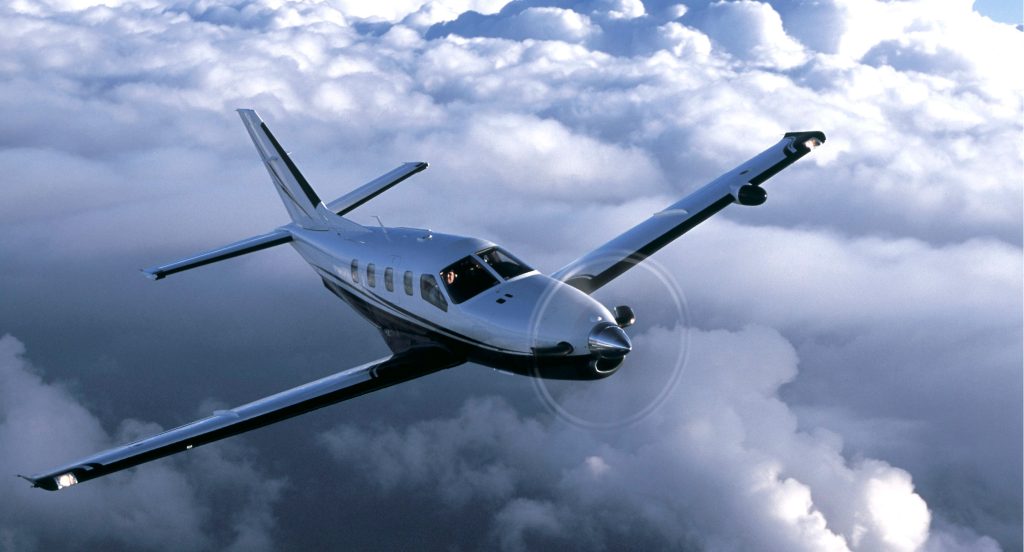
| Engine | Pratt & Whitney PT6A-64 or PT6A-66D |
| Cruise | 300-320 KTAS |
| Fuel | ~55-60 GPH Jet-A |
| Ceiling | FL310 |
| Programs | Eagle Service Plan |
| Seats | 5-6 pressurized |
| Certification | EASA/FAA Part 23 |
The TBM 850 is a corporate missile. Valued between $1.5M and $2.2M, it offers light-jet speeds with turboprop operating costs. Lenders look hard at Eagle Service Plan enrollment it is effectively mandatory for tier-one financing. Budget $600,000-$800,000 per year for operating costs.
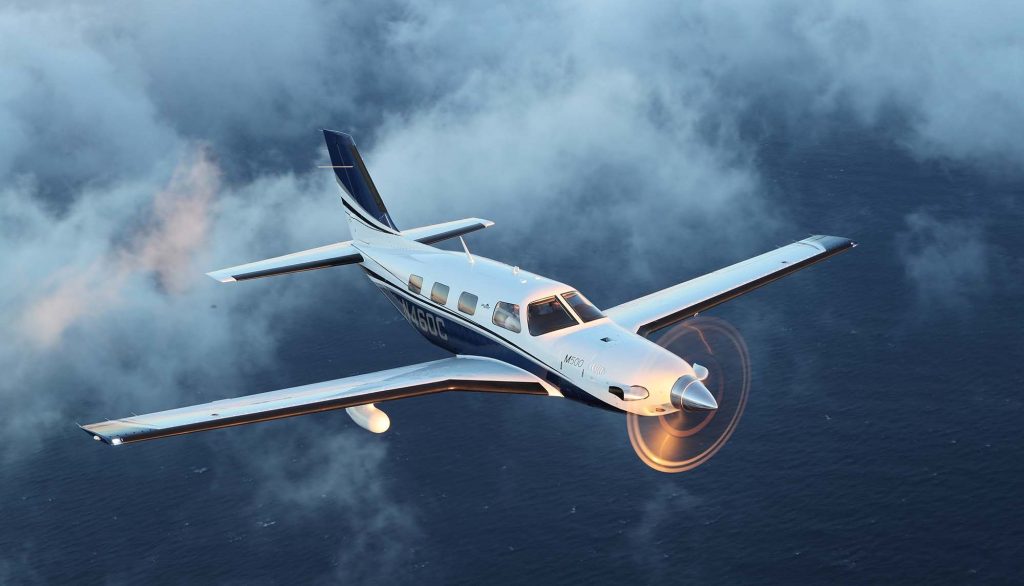
| Engine | Pratt & Whitney PT6A-42A |
| Cruise | ~260 KTAS |
| Fuel | ~40 GPH Jet-A |
| Ceiling | FL280 |
| Programs | Eagle Service Plan |
| Seats | 5 pressurized |
| Certification | Part 23 |
The M500 is the most capital-efficient entry into pressurized single-engine turbine flight. Acquired between $700,000 and $1.1M, it delivers 260-knot cruise speed at FL280 on roughly 40 GPH of Jet-A. The mandatory Eagle Service Plan caps your engine exposure, which is why lenders love it.
If your mission dictates hauling four adults 1,000 nautical miles at 300 knots in all weather, the TBM 700/850 is the only piston or turbine aircraft that makes the math work below $2.5 million. If you are stepping up from a Cirrus and want flight-level pressurization and turbine reliability without breaching $1.5M, the Piper Meridian is the ultimate capital-efficient entry into the turbine world.
When you acquire a 10-to-15-year-old high-performance aircraft, the financial equation flips. You are no longer absorbing the massive, six-figure depreciation hits of a factory-new asset. Instead, your primary financial exposure shifts to maintenance capital expenditure (CapEx).
Operating a complex, pressurized single or a heavy turboprop requires ironclad cash-flow discipline. You are not just paying for fuel and insurance; you are financing the eventual replacement of major components. Understanding how lenders evaluate engine times and life-limited parts is critical to structuring your acquisition and avoiding a catastrophic default.
Every aviation engine is certified with a Time Between Overhaul (TBO) a manufacturer-recommended lifespan before the engine must be completely torn down, inspected, and rebuilt. For the big-bore, turbocharged piston engines powering this class (like the Continental TSIO-550-K in the Cirrus SR22T or the Lycoming TIO-540-AE2A in the Piper M350), the TBO is typically 2,000 to 2,200 hours.
The Overhaul Cost: In 2026, a high-quality field overhaul or a factory-remanufactured exchange for a turbocharged 6-cylinder engine ranges from $75,000 to $95,000+.
The "Run-Out" Penalty: Lenders strictly monitor engine times because it directly impacts the collateral's Vref valuation. If you are buying an aircraft with 1,900 hours on the engine (a "run-out" engine), the appraiser will deduct the anticipated cost of the overhaul from the aircraft's base value. Because the bank bases your maximum Loan-to-Value (LTV) on this reduced figure, you will be required to bring significantly more cash to the closing table to bridge the gap.
The "Mid-Time" Sweet Spot: At FLYING Finance, we advise clients to target aircraft with engines in the 500- to 1,200-hour range. The engine is fully broken in, any initial factory manufacturing defects (infant mortality) have already been resolved, and you have years of flying ahead of you before facing a $90,000 CapEx event.
Unlike a car, where you replace parts when they break ("on condition"), aviation features Life-Limited Parts (LLPs) that must be replaced at strict calendar or hourly intervals, regardless of whether they look brand new. Buyers purchasing aircraft in the 10-to-15-year-old vintage bracket must be hyper-aware of these deadlines, as they often trigger massive maintenance bills immediately after purchase.
The CAPS Repack (Cirrus): The Cirrus Airframe Parachute System (CAPS) is not a "buy it and forget it" item. The parachute canopy and rocket motor legally mandate a repack and replacement every 10 years. The reefing line cutters must be replaced every 6 years. If you buy a 2016 SR22 in 2026, you are inheriting a mandatory $18,000 to $22,000 CAPS repack bill. You must use this impending deadline as leverage to negotiate the purchase price down before closing.
Turbine Hot Sections (PT6A): If you are stepping into a Daher TBM or Piper Meridian, the Pratt & Whitney PT6A engine features a mandatory Hot Section Inspection (HSI), typically required halfway to TBO (around the 1,500- to 1,800-hour mark). This involves inspecting the combustion chamber and compressor turbines. A standard HSI will cost $40,000 to $60,000 and significantly more if the blades require replacement.
To manage these massive CapEx events, owners generally choose one of two financial strategies: enrolling the aircraft in a factory program or self-funding an ad-hoc reserve account.
Factory Programs (The CMX & JetStream Advantage): Many modern high-performance aircraft can be enrolled in comprehensive maintenance programs, such as Cirrus's CMX (for pistons) or JetStream (for the Vision Jet), or Pratt & Whitney s Eagle Service Plan (ESP) for turboprops. You pay a fixed hourly rate into the program, and it covers the cost of scheduled maintenance, overhauls, and sometimes even unscheduled AOG (Aircraft on Ground) events.
The Lender's View: Banks love enrolled aircraft and usually require it. Program enrollment essentially acts as an insurance policy against maintenance defaults, which bolsters the aircraft's residual value and often secures more favorable financing terms.
Ad-Hoc Reserves (The Self-Funded Escrow): If you buy an older Piper Mirage or a legacy TBM that doesn't qualify for a factory program, you must become your own CFO. You must calculate the cost of your eventual engine overhaul and divide it by the TBO. For a $90,000 overhaul on a 2,000-hour engine, you must physically transfer $45.00 for every hour you fly into a dedicated, interest-bearing maintenance reserve account. Failing to aggressively fund this reserve is the number one reason owners are eventually forced to sell their aircraft at a distressed discount.
Cirrus SR22T (CAPS)
Parachute / Rocket Repack
| Aircraft / Engine | Major Event | Interval | Est. Reserve |
|---|---|---|---|
| Cirrus SR22T (CAPS) | Parachute / Rocket Repack | Every 10 Years | $20,000-$25,000 |
| Lycoming / Continental (Piston) | Major Overhaul (TBO) | 2,000-2,200 Hours | $45,000-$65,000 |
| Pratt & Whitney PT6 (Turbine) | Hot Section Inspection | 1,750-1,800 Hours | $150,000-$200,000 |
| Rotax 915 iS (LSA/EAB) | Major Overhaul (TBO) | 1,200 Hours | $25,000-$30,000 |
If you have $200,000 to deploy in 2026, you are standing in the most competitive sector of the market. You are competing against flight schools looking for trainers and individual owners looking for "forever planes". To win here, you must move faster than the competition, which means having your Pre-Approval from FLYING Finance in hand before the aircraft even hits Aircraft for Sale or Trade-A-Plane.
Banks view a 1975 Cessna 172 very differently than a 2025 model. In 2026, many tier-one lenders apply a strict 50-year "Age + Term" ceiling.
The Math: If the aircraft is 45 years old, the bank likely won't give you a 20-year loan, as that would put the asset at 65 years old by the end of the term.
The Reality: Expect to see your amortization schedules compressed into 10 or 12 years. While this increases your monthly payment, it also forces you to build equity in the asset much faster a silver lining for an aircraft category that historically holds its value better than almost any other asset class.
In the legacy market, the "Bluebook" value of the airframe is often eclipsed by the glass in the panel.
The $100k Panel: In 2026, a full Garmin retrofit (Dual GI 275s or a G3X Touch, GTN 750Xi navigator, and a GFC 500 digital autopilot) can easily cost $80,000 to $100,000 including labor.
The LTV Disconnect: If you buy a "steam gauge" Cessna 182 for $150,000 and spend $100,000 on avionics, your total investment is $250,000. However, the bank s appraiser might only increase the aircraft's valuation by 50% of the equipment's cost completely ignoring the labor. This goes back to the earlier discussion what the market says the value is for the C182 with a glass cockpit, so checking the marketplaces ahead of the upgrade can help set expectations.
The FLYING Finance Strategy: Always try to buy the plane with the panel already finished. Let the previous owner eat the 50% depreciation on the avionics installation labor. You want to finance the finished product, not the upgrade process. Otherwise, the EAB route may be more your style.
This is the ultimate first airplane debate. Both are all-metal, 4-seat, fixed-gear workhorses, but they represent two very different financial profiles.
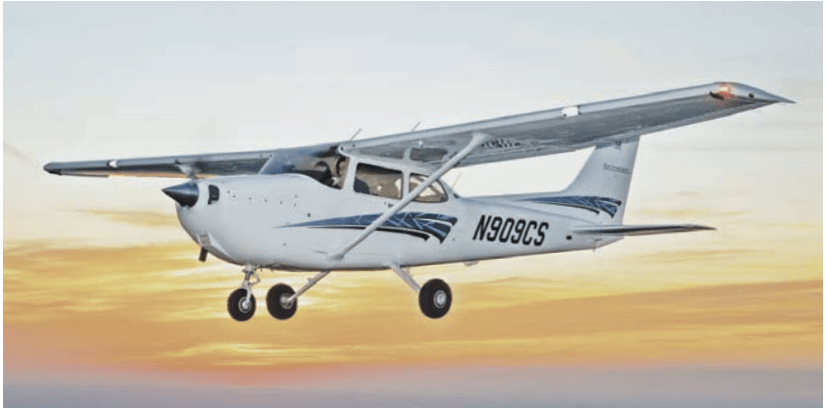
| Engine | Lycoming O-320 or O-360 160 HP |
| Cruise | 122 KTAS |
| Seats | 4 |
| Wing | High-wing exceptional stability |
| Value | $140K-$175K (1970s models) |
| Liquidity | Highest of any aircraft type |
| Training | Universal flight school standard |
The 172 is the most liquid asset in aviation. Because every flight school in the world wants them, they are effectively aviation cash. A clean 1970s N or P model in 2026 commands $140,000 to $175,000. Lenders will offer the highest LTVs (up to 80%) on 172s because collateral risk is non-existent.
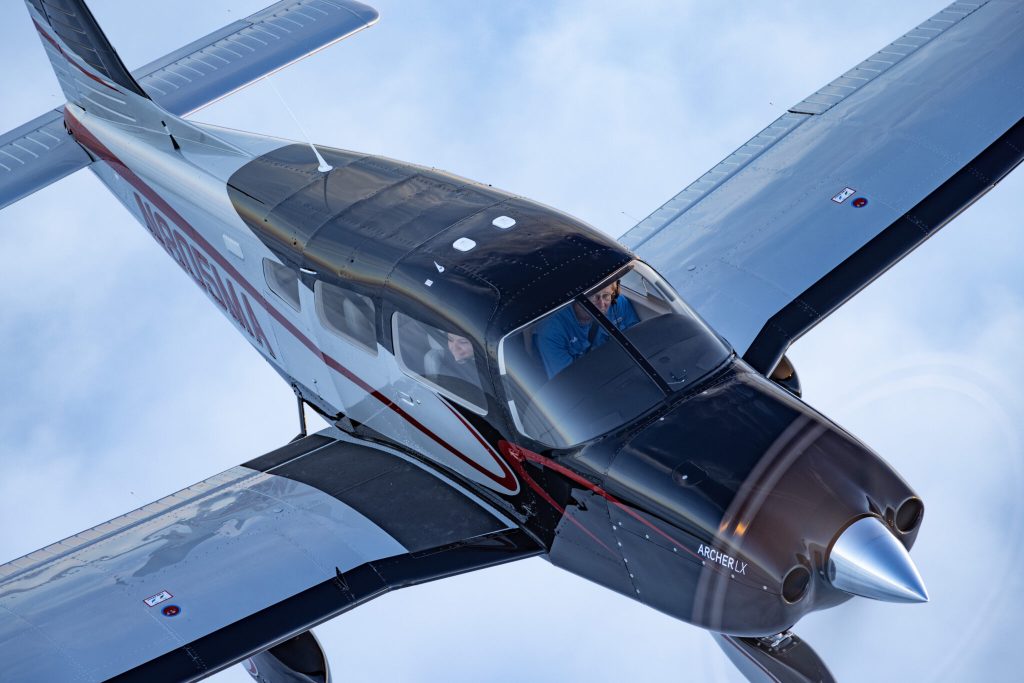
| Engine | Lycoming O-360 180 HP |
| Cruise | 128 KTAS |
| Seats | 4 |
| Wing | Low-wing |
| Value | $110K-$140K (15-20% less than 172) |
| Cabin | Slightly wider than C172 |
| Style | More sporty feel |
Typically, you can find a Cherokee 180 for 15% to 20% less than a comparable Cessna 172. It offers slightly better cabin width and a more sporty feel. Because it is not as sought after by large-scale flight schools, secondary market liquidity is slightly lower.
If you want the ultimate safe investment with instantaneous resale and the easiest financing path, buy the Cessna 172. If you want a reliable aircraft with low wing pizzazz and reliable parts supply, where you are less likely to bid against a flight school, fly the Piper Archer.
For the buyer who wants to travel fast and look good doing it, these are the two legendary complex singles.
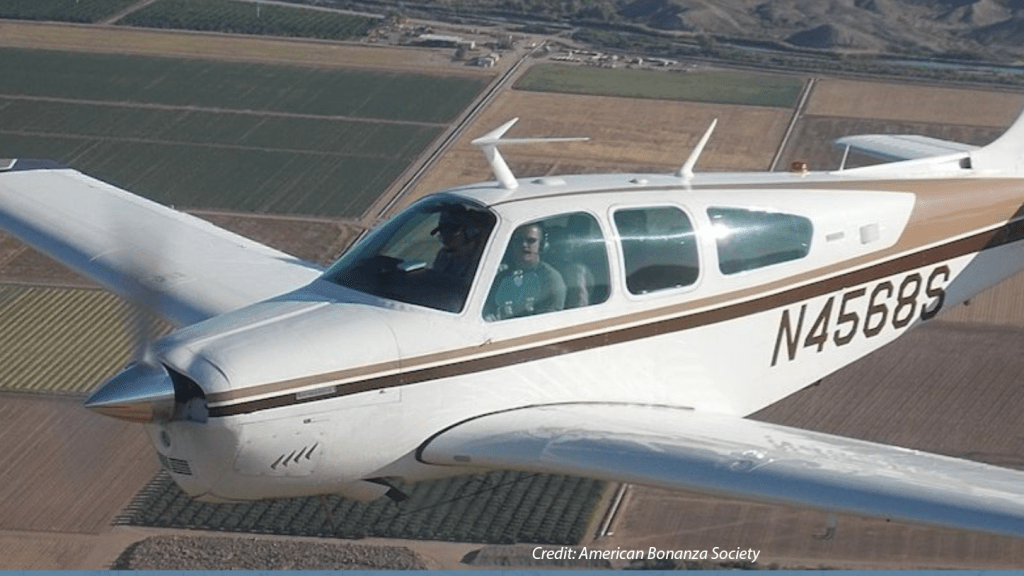
| Engine | Continental IO-520/550 285-300 HP |
| Cruise | 174 KTAS |
| Cabin | Widest in class, 6-cylinder |
| Value | $180K-$260K (1970s) |
| History | 75+ year continuous production |
| Status | Production ending values rising |
| Maintenance | Higher due to 6-cyl and Beechcraft parts |
A clean 1970s Bonanza is a $180,000 to $260,000 investment. While maintenance costs are higher due to the 6-cylinder engine and Beechcraft parts pricing, the Bonanza's value is ironclad. It is a prestige asset that lenders are always happy to see on a loan application.
| Engine | Lycoming IO-360 200 HP |
| Cruise | 160 KTAS |
| Fuel | 10 GPH at cruise best in class |
| Value | $130K-$160K |
| Maintenance | ~30% lower than Bonanza |
| Cabin | Tight but highly aerodynamic |
| Range | 1,100+ nm |
The Mooney is the Camry that performs like a Porsche. You can acquire a solid M20J for $130,000 to $160,000. Because it uses a 4-cylinder engine and has a simpler landing gear, your annual maintenance bills will be roughly 30% lower than the Bonanza.
If you want a fast cross-country traveler on a budget and don't mind a snug cabin, the Mooney M20J is the most capital-efficient speed in the sky. If you want the SUV of the air ready to cart soccer gear, golf clubs, and your family the Beechcraft Bonanza is known for its country club presence.
In the $30,000 to $90,000 bracket, we aren't talking about cross-country business machines. We are talking about the purest form of aviation utility: time-building, primary training, and local "puddle-jumping". Rising demand from a new generation of career-track pilots has pushed prices for even the most basic trainers to historic highs. However, if you understand how to navigate the high-time airframe market, this is where you can achieve the lowest Direct Operating Cost (DOC) in the sky.
The Threshold: Many specialized aviation lenders have a minimum loan amount (typically $50,000 to $75,000). At Flying Finance, we finance assist with loans as low as $25,000. Under this, traditional aviation loans often become administratively top-heavy for these amounts.
The Bridge Strategy: If you are buying a $45,000 Cessna 150, you may find better speed and flexibility using a high-limit unsecured personal loan or a HELOC. This allows you to act as a "cash buyer," a massive competitive advantage when these planes sell within 48 hours. It always keeps you from the increased interest rates many lenders charge on loans at the bottom of their threshold.
The Flight School Pedigree: In this bracket, you will encounter airframes with 10,000 to 15,000+ hours of Total Time (TT). A high-time airframe usually means a rigorous maintenance history with 100-hour inspections performed like clockwork.
The Inspection Mandate: Underwriters pay extra attention to compliance with "one-time" structural inspections like the Cessna wing strut AD or seat rail ADs. If the logs are pristine, 12,000 hours TTAF isn't a deal-breaker; it's an opportunity if SMOH is in the right range.
In the $30,000 to $90,000 bracket, we are talking about the purest form of aviation utility: time-building, primary training, and local puddle-jumping.
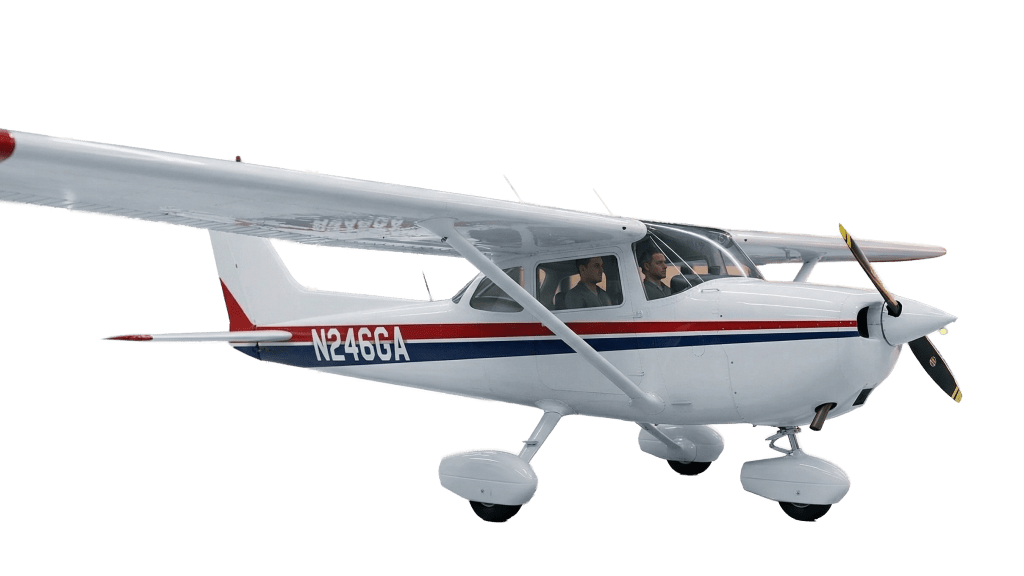
| Engine | Continental O-200 or Lycoming O-235 |
| Seats | 2 |
| Value | $65K-$85K mid-time |
| Wing | High-wing |
| Training | Most hours logged of any aircraft globally |
| Parts | Universal availability |
| Style | Toyota Corolla of the sky |
In 2026, a mid-time Cessna 150/152 commands $65,000 to $85,000. It is the most bulletproof investment in this bracket the Toyota Corolla of the sky a little tight on space, but reliable and perfectly liquid. Any lender knows exactly what they are financing.
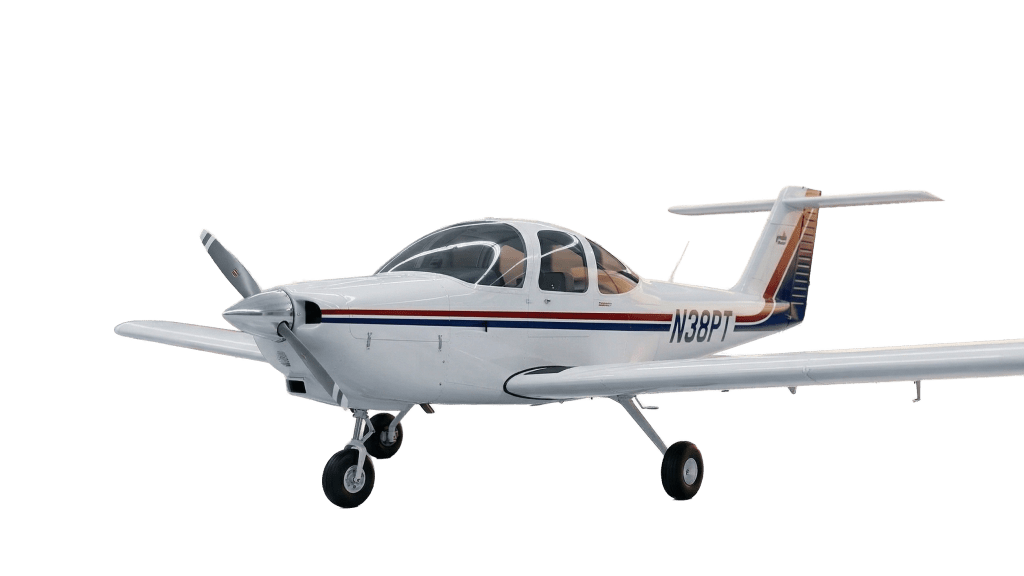
| Engine | Lycoming O-235 112 HP |
| Seats | 2 |
| Value | $45K-$55K clean examples |
| Wing | Low-wing T-tail |
| Visibility | 360-degree bubble canopy |
| Cockpit | Modern, side-by-side |
| Value | Most undervalued trainer |
You can often find a clean PA-38 for $45,000 to $55,000. For a savvy buyer, the Tomahawk offers a modern cockpit and better visibility for $20,000 less than the Cessna. The T-tail has unique spin characteristics that require a trained mechanic for inspection.
If you are looking for the absolute safest place to park your money while building time, buy the Cessna 152. If you are on a strict budget and want a modern-feeling cockpit, the Piper Tomahawk is the most undervalued trainer on the market provided you have a mechanic who knows how to inspect that T-tail.
With the final implementation of MOSAIC in mid-2026, the used Light Sport Aircraft (LSA) market has bifurcated into two distinct financial categories: "Legacy LSAs" and "MOSAIC-Ready Assets". You can now acquire a high-tech, carbon-fiber aircraft with modern avionics and a parachute for the price of a forty-year-old Cessna, all while benefiting from the lowest direct operating costs (DOC) in the sky.
The Eligibility Arbitrage: Many existing Special-LSA (S-LSA) aircraft like the Sling 2 or Flight Design CTLS were originally over-engineered and then "paper-derated" to fit the old 1,320-lb limit. Under MOSAIC, manufacturers are issuing revised POHs that increase the gross weight of these used aircraft by 150 to 300 lbs.
The Financial Impact: At FLYING Finance, we are seeing used values for these "upgradable" airframes rise by 10% to 15% overnight.
The Burn Rate: Most used LSAs are powered by the Rotax 912 ULS (100 hp) or the fuel-injected 912 iS. They cruise at 115 120 KTAS while burning only 3.8 to 4.5 GPH. When you add in engine reserves, you are flying a modern glass-panel aircraft for a DOC of ~$55/hr.
The BRS Factor: Almost all modern LSAs come equipped with a Ballistic Recovery System (BRS) parachute. These require a mandatory repack and rocket replacement every 10 years (costing roughly $12,000 $16,000). If the parachute is in its 9th year, the bank's appraisal will drop significantly; use this "maintenance cliff" as your primary negotiation lever.
With the final implementation of MOSAIC in mid-2026, the used LSA market has bifurcated into legacy LSAs and MOSAIC-Ready Assets and both of these aircraft are firmly in the premium camp.
| Engine | Rotax 912 iS 100 HP |
| Cruise | 120 KTAS |
| Airframe | All-aluminum South African |
| Value | $105K-$165K (2014-2019) |
| Maintenance | Any standard A&P |
| Status | S-LSA / MOSAIC eligible |
| DOC | ~$55/hr all-in |
A 2014-2019 Sling 2 currently trades in the $105,000 to $165,000 range. Because it is all-aluminum, it is exceptionally easy for any traditional A&P to maintain. It holds its value remarkably well and is a natural fit for the MOSAIC weight increase.
| Engine | Rotax 912 iS 100 HP |
| Cruise | Up to 120 KTAS |
| Cabin | 49 in wide composite wider than C182 |
| Value | $90K-$135K (2008-2015) |
| Maintenance | Requires composite specialist |
| Status | S-LSA / MOSAIC eligible |
| Speed | Fastest in LSA category |
Used CTLS models are available for $90,000 to $135,000 the fastest in the LSA category, often pushing the 120-knot limit. Being composite, they require specialized composite-repair knowledge if damaged, which slightly narrows the maintenance ecosystem.
If you want a rugged, aluminum cross-country machine that feels like a baby fighter jet, the Sling 2 is the smartest deployment of your $150k. If you want the widest cabin in general aviation and the highest fuel efficiency for the lowest acquisition price, the Flight Design CTLS is the value play of the century.
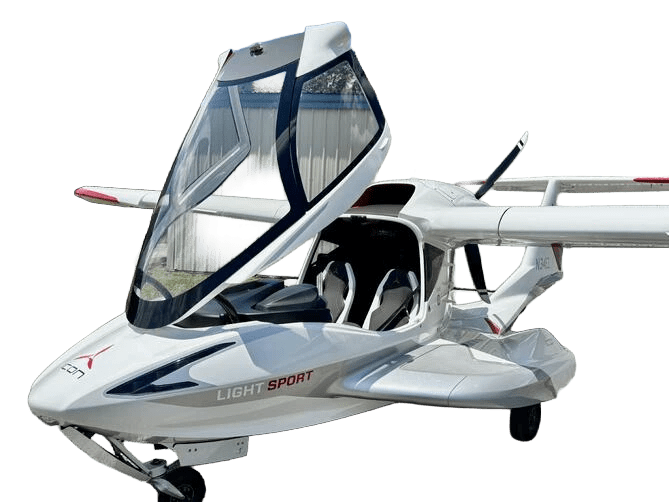
The only aircraft in this bracket that functions as a true lifestyle asset. Amphibious (land/water), folding wings, and an automotive-style cockpit. In 2026, early Founders Edition models can be found for $230,000 to $275,000, while newer G2 models with increased gross weight and Garmin G3X touch panels command $350,000+. Lenders view the ICON as the Harley-Davidson of the Sky -- an iconic brand with high resale liquidity.
The most dangerous and expensive phase of ownership occurs in the first 100 hours of operation. This is when the risk of pilot error is highest and when "latent defects" from the previous owner typically surface.
Stepping into a high-performance aircraft like a Piper M350 or Cirrus SR22T triggers a "Complexity Premium" from insurers.
Mandatory Training: In 2026, underwriters typically mandate 15 to 50 hours of dual instruction with an approved mentor pilot before you can carry passengers.
The ROI of Proficiency: Completing this transition training is a direct financial investment; it can lower your Year Two hull rates significantly by moving you out of the high-risk "transition" bracket.
No matter how thorough your independent pre-purchase inspection was, the first annual inspection under your ownership is often the most revealing.
Predictive Maintenance: By 2026, digital twins and engine monitoring (like Cirrus IQ) allow owners to identify potential failures before they occur.
Budgeting for Surprises: At FLYING Finance, we advise our clients to reserve 10% to 15% of the aircraft's hull value for Year One "sorting" costs to bring the aircraft up to pristine, dispatch-ready operational standards
Around year five of ownership, you will face a critical "Keep or Sell" crossroads. If you choose to keep the aircraft, you must invest in upgrades to prevent market obsolescence.
Avionics are the fastest-depreciating component of an aircraft. In 2026, the transition from analog to digital is no longer optional for maintaining resale value.
The Strategic Upgrade: Replacing mechanical gauges with a glass cockpit (e.g., Garmin G3X or dual GI 275s) reduces pilot workload and modernizes the asset for the next generation of buyers.
Equity Retention: While you may not recover 100% of your labor costs, a modern, integrated digital panel is the primary driver of resale speed in the secondary market.
To keep an aircraft "sellable" at top-tier prices, owners should plan to refurbish the paint and interior as they approach the ten-year mark.
The Valuation Impact: Aircraft Vref value curves typically "bump" after a major aesthetic refurbishment.
The Aesthetic Penalty: Failing to perform this work leads to a significant "aesthetic penalty" when you eventually list the aircraft for sale, often resulting in lower-than-average LTV approvals for the next buyer.
Knowing when to exit an asset is as important as knowing when to buy. In 2026, the secondary market is a "Market of the Prepared".
Before listing, perform a "mini pre-buy" on your own aircraft to eliminate buyer leverage.
Logbook Integrity: Ensure all Airworthiness Directives (ADs) and Service Bulletins (SBs) are meticulously documented; missing continuous logs can result in a 10% to 30% penalty on your appraised value.
Program Enrollment: If your aircraft is a turbine, being enrolled in an engine program like the Eagle Service Plan (ESP) or JetStream drastically increases its liquidity and resale price.
The end-of-year rush is a double-edged sword for aircraft transactions.
The Q4 Seller Advantage: Buyers seeking the tax advantages of 100% Bonus Depreciation under IRC Section 168(k) often flood the market in the fourth quarter, creating a seller-driven environment with fewer discounts.
The Q1 Buyer Advantage: Conversely, the first half of the year typically offers more room for negotiation as the year-end tax frenzy cools down and inventory sits slightly longer.
If you plan to own for 15 years, prioritize "future-proof" technology like Jet-A diesel engines or full glass cockpits that will remain competitive through the next decade.
Sourcing an aircraft in a low-inventory market requires a multi-platform strategy. You cannot rely solely on public listings to find premium collateral.
AircraftForSale.com: Use premium filters to target aircraft that have already completed necessary CapEx events, such as the G100UL STC or the CAPS 10-year parachute repack. Let the previous owner absorb that depreciation.
Off-Market Intelligence: Roughly 30% of high-end, pristine transactions occur before they ever hit the public web. Your acquisition broker is your eyes and ears in the hangars, sourcing aircraft before they are widely shopped.
Securing Your Future in the Sky
The 2026 market is at a crossroads. Whether you choose a Sling TSi burning unleaded Mogas, a high-density-altitude backcountry Bearhawk, or a Cirrus SR22T G7 with Autoland, your success depends entirely on the bridge between your pilot's logbook and your balance sheet.
Conclusion: Execution Over Analysis
Analyzing airframes, understanding depreciation curves, and studying the regulatory horizon of MOSAIC and unleaded fuel are the prerequisites of a smart aircraft acquisition. But data without capital is just theory. The final step is execution.
At FLYING Finance, we do not just process loans; we engineer aviation capital strategies. Whether you are purchasing a factory-new composite cruiser, navigating the build-assist phases of a premium experimental, or refinancing a legacy twin to free up cash flow, our underwriting team understands the metal just as well as the math. We leverage our network of Tier-1 aviation lenders to secure the lowest rates, the longest amortizations, and the most favorable LTV ratios in the industry, ensuring your capital stays deployed where it serves you best.
The market is moving. Aircraft valuations are shifting based on the regulatory realities of 2026. Do not let inefficient capital structuring dictate your flight path.
Baseline Tier-1 underwriting targets. Actual approvals are highly dependent on the guarantor's global cash flow, liquidity, and exact collateral pedigree.
| Asset Class | Max LTV | Typical Amortization | Min. Credit Profile |
|---|---|---|---|
| Factory New (Part 23 / Premium LSA) | 80%-85% | 15-20 Years | 700+ FICO, Strong Liquidity |
| Late-Model Used (Under 15 Years) | 75%-80% | 15-20 Years | 700+ FICO, Moderate Liquidity |
| Legacy Piston (30+ Years Old) | 70%-75% | 10-15 Years (Age+Term) | 720+ FICO, Exceptional Logs |
| Experimental Amateur-Built | 70%-80% | 12-15 Years | 720+ FICO, Builder Assist Preferred |
| Turboprop and Light Jet | 75%-85% | 15-20 Years | 750+ FICO, Engine Programs Required |
Baseline Tier-1 underwriting targets. Actual approvals depend on global cash flow, liquidity, and exact collateral pedigree. Start your pre-approval
While our head-to-head scenarios cover the broadest market segments, lenders are closely tracking specific standout airframes that represent high-yield, low-depreciation assets. The Bristell line (including the 915/916 iS variants) is a prime example of an asset class commanding premier financing terms in 2026.
Built in the Czech Republic, the Bristell has established itself as the "luxury grand tourer" of the Light Sport and Experimental categories. From an underwriting perspective, banks view the Bristell incredibly favorably for three reasons:
The Unleaded Advantage: Powered by the modern, FADEC-equipped Rotax 915 or 916 iS engines, the Bristell natively burns unleaded Mogas. This completely insulates the asset's residual value from the FAA's ongoing 100LL phase-out (EAGLE initiative).
High Residual Value: With its extra-wide 51-inch cabin, premium Garmin G3X touch avionics suites, and exceptional payload capabilities, a well-equipped Bristell often holds its value better in the secondary market than legacy certified counterparts.
MOSAIC Positioning: As the MOSAIC weight expansions take full effect, high-performance, complex LSAs like the Bristell are transitioning from niche sport planes into primary cross-country traveling machines, vastly expanding their buyer pool and market liquidity.
Hull rates are estimated percentages of insured value. Never sign a purchase agreement without first securing an insurance quote.
| Asset Class | Est. Hull Rate | Underwriting Minimums | 2026 Trend |
|---|---|---|---|
| Premium LSA / Experimental | 1.5%-2.5% | Private Pilot, 10-25 Hrs M&M | Favorable |
| High-Performance Piston (SR22, Bonanza) | 1.2%-2.0% | IFR, 250+ Hrs TT, Factory Training | Stable |
| Entry-Level Turbine (Vision Jet, TBM) | 1.0%-1.8% | IFR, 500-1,000+ Hrs TT, Annual Sim | Restrictive |
| Legacy Twin Piston | 2.0%-3.5%+ | Multi-Engine IFR, 500+ Hrs TT | Hard Market |
Never sign a purchase agreement without first securing an insurance quote. Make sure you have the Make/Model hours required before committing.
Independent context from FLYING Finance and the wider FLYING Media Group, plus current pricing trends in our full Aircraft Market Hub.
Talk to a specialist
Every aircraft and every buyer is a little different. Tell us how to reach you and a FLYING Finance specialist will follow up to talk through your aircraft, your numbers and your timing.
Prefer to call? (702) 757-1176