EAB & Light Sport Financing · Van's Aircraft RV Series
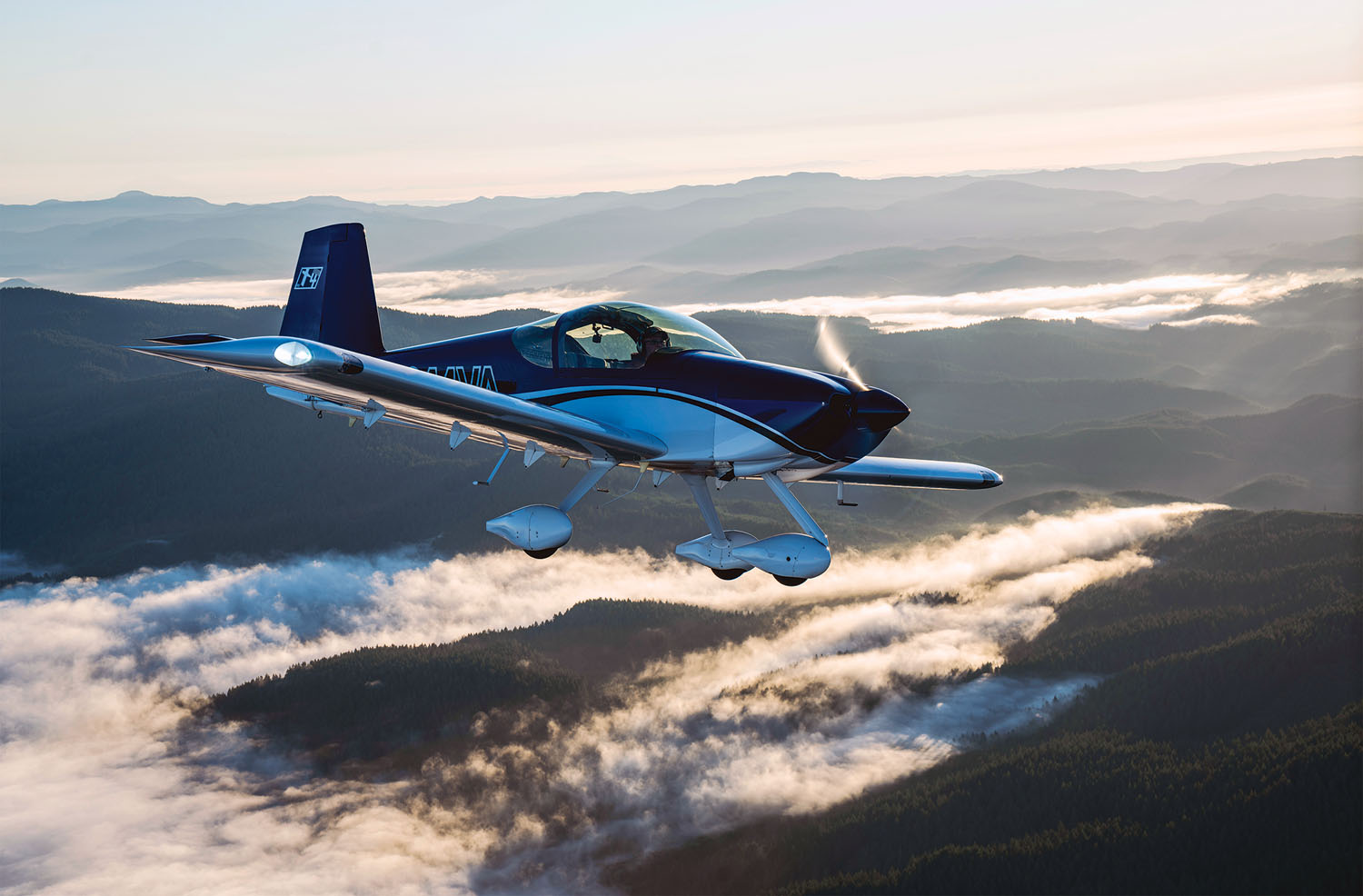
More than 11,000 Van's RV aircraft are flying worldwide — one-third of the entire U.S. experimental fleet. FLYING Finance structures loans around the aircraft you actually build: completed projects, QuickBuilds, and build-assist programs with lenders who understand the RV community. We also finance used RVs every week.
The lineup
2026 model updated for full MOSAIC. Available kit-built (E-LSA) or factory-assembled (S-LSA). The most widely used RV in flight training.
1,900+ completed. Among the most liquid EAB collateral in the market. MOSAIC-eligible under expanded Sport Pilot rules (Oct 2025).
Centerline seating. Fastest two-seat RV. Aerobatic-capable. 1,600+ completed and flying.
Designed for economy and docile handling. Low stall speed. MOSAIC-eligible. Popular first-build choice.
1,000+ completed. Van's first four-seater. Deep resale market supports 20-year amortization from select lenders with full documentation.
215 hp IO-390 option. Roomiest two-seat RV built. Aerobatic-capable. Derived from the RV-10 platform.
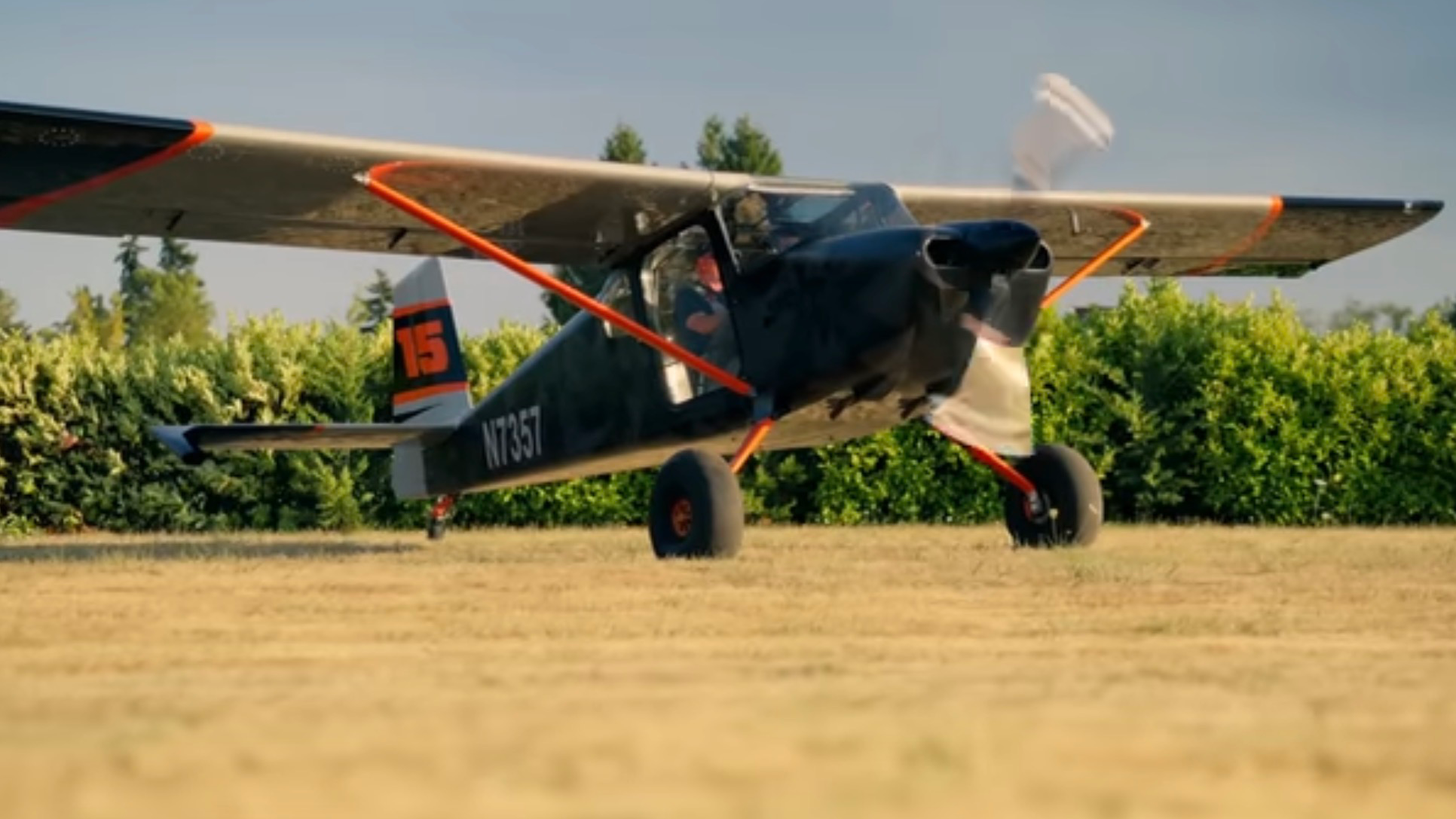
Van's first high-wing. Wing kits shipping since Dec 2025; tail, fuselage, and finish kits rolling out through 2026. First completed aircraft are beginning to fly. Build-assist financing available as projects finish.
We finance used RVs every week. Complete logs, current condition inspection, and full build documentation are required. The stronger the paper trail, the better the terms.
¹ 20-year amortization available on select completed EAB projects — including qualifying RV-7, RV-9, RV-10, and RV-14 builds — with full build documentation, complete logbooks, and current condition inspection. Rate and term subject to credit profile, aircraft age, and lender review. The RV-3, RV-4, and RV-6 are being retired from active kit production by Van's Aircraft.
Liquidity & lender confidence
Most experimental aircraft struggle for lender confidence. The builder pool is thin, the resale market is unpredictable, and few lenders have reference points. RV aircraft are the exception. With more than 11,000 flying worldwide and an active pre-owned market in every major aviation state, completed RVs carry collateral depth that most certified aircraft cannot match — and terms to reflect it.
Van's Aircraft · Founded 1973
Richard "Dick" VanGrunsven learned to fly at 16 on a 670-foot strip on his family's farm near Cornelius, Oregon. His first aviation venture was making wheel pants for Taylorcraft owners. What followed became the largest kit aircraft manufacturer in the world.
"Flying an RV is more an extension of the pilot's thought process, instead of manhandling a machine through the air."
— Richard VanGrunsven, founderVanGrunsven bought and substantially reworked a Stits Playboy, redesignating it the RV-1. After 550 flight hours he sold it, convinced he could do better from scratch.
His clean-sheet design first flew in August 1971. He flew it to the EAA Convention in Rockford, Illinois the following year, where its performance caused an immediate sensation. Pilots wanted one.
VanGrunsven quit his job and began selling RV-3 plans and parts from a shop behind his house in Reedville, Oregon. Revenue in year one: $72,000 from 35 kits. Art Chard of Michigan became the first customer to complete an RV-3, in 1975.
First flown August 1979. Tandem seating, aerobatic-capable. More than 1,440 have been completed. It established the template — high performance, accessible build, the unmistakable RV feel — that every subsequent model followed.
The RV-6 introduced side-by-side seating and became Van's most popular model for a generation. More than 2,700 were completed — still the highest count of any single RV variant.
Van's outgrew its garage origins and relocated to a purpose-built facility at Aurora State Airport, Oregon — still the company's home today.
The tandem RV-8 launched alongside QuickBuild kits — pre-fabricated subassemblies that cut build time roughly in half. Initially assembled in the Philippines by skilled metalworkers, the program changed how the industry thought about homebuilding.
The RV-7 replaced the RV-6 as the flagship two-seater. Computer-assisted design, pre-punched rivet holes, matched-hole construction. Nearly 1,900 have been completed. It became the reference aircraft against which all other EAB designs are measured — and one of the most liquid experimental aircraft in the used market today.
First flown May 29, 2003. A four-seat, 185-knot cruiser that opened the family aircraft market for EAB. More than 1,000 have been completed. The RV-10's deep resale market is one reason lenders will offer 20-year amortization on qualifying builds — an uncommon concession in EAB financing.
The two-seat RV-12 launched Van's into the flight training market. The updated RV-12iS (2017) is now the primary production variant, with 120+ aircraft operating at 40+ flight schools nationwide and over 100,000 training hours logged. Nigeria acquired a variant as a primary military trainer.
Derived from the RV-10 platform, the RV-14 brought a wider, taller cabin and aerobatic capability to the side-by-side category. The 215 hp IO-390-EXP119 option made it the fastest standard-build RV in the lineup.
An RV-7 built in Martinsburg, West Virginia became Van's 10,000th completed aircraft. RV aircraft made up roughly a third of the entire U.S. experimental fleet.
Van's marked its fiftieth year with the public debut of the RV-15 — the company's first high-wing design and its most ambitious new aircraft since the RV-10. A purpose-built backcountry STOL taildragger sharing almost no components with any prior RV model.
Supply chain disruptions and a laser-cut parts quality issue led to a Chapter 11 filing in December 2023. Van's emerged in May 2024 under reorganized leadership, with a new production floor, a dedicated QC department, and a restructured management team. Founder Dick VanGrunsven — then 85 — personally conducted RV-15 flight testing throughout the restructuring period.
Wing kits began shipping December 23, 2025 — the first two bound for Reno air racer Kevin Eldredge. Tail, fuselage, and finish kits are rolling out through 2026. Backorders cut 50%, empennage lead times down to two weeks. The first completed RV-15s are beginning to fly.
Since Van's restructure in 2024, the company has spent the two years executing a measurable operational turnaround that has put Van's Aircraft back on the leading edge of aviation. With a reorganized production floor, inhouse weldments and improved quality control, Van's launched a new avionics division for RV-15 panel and harness production.
The RV-15 launched at AirVenture 2025 with wing kit sales that exceeded expectations on opening day; first wing kits shipped December 23, 2025.
How it works
FLYING Finance has structured build-assist transactions where buyers place a 25% deposit with the build-assist shop at Van's Aircraft and finance the remaining 75% at project completion — when the aircraft is ready to register and insure. This keeps the builder's out-of-pocket low during the build phase and brings in permanent financing only when there is a flyable asset to underwrite. If you are working with a build-assist program, contact us early — the structure works best when it is planned from the start.
A registered, airworthy RV with complete build logs finances like any other EAB. We need the airframe logs, engine logs, condition inspection, and a current appraisal or recent comparable sales. Most RV-7, RV-9, RV-10, and RV-14 projects close in 2–3 weeks after completion.
Wing kits began shipping December 2025, with tail, fuselage, and finish kits rolling through 2026. The first completed RV-15s are beginning to fly. Financing follows the same completion-stage structure as other EAB builds — we are actively working with builders now as their projects near airworthiness.
Used RV transactions are a significant part of what we do. The RV community produces well-documented, well-maintained aircraft with strong resale values and active online markets. Bring us the logs, the condition inspection, and the purchase agreement — we'll handle the rest. Retain all original Van's sub-kit invoices; lenders treat fully documented builds differently from incomplete records.
The RV-12iS, RV-7/7A, and RV-9/9A are all eligible under expanded Sport Pilot privileges effective October 2025. LSA financing routes through our MOSAIC & LSA program with rates from 7.27% and up to 20-year terms on qualifying aircraft.
Representative payments at 15% down, current starting rates, approved credit. Actual rate and term depend on aircraft documentation, build quality, and borrower profile.
Before you go deep on a specific aircraft, the First-Time Buyer Guide walks you through every mission path — from EAB's and piston trainers to the turbine step-up — with real cost-of-ownership data, pre-buy checklists, and a loan calculator calibrated to each category. Five paths, one page.
From the FLYING Finance ecosystem
FLYING Finance is part of Firecrown Media — the same company that publishes FLYING Magazine, KITPLANES, AVweb, and Plane & Pilot. The guides below are FLYING Finance editorial resources, independent of any lender.
From the community · updated quarterly
KITPLANES, FLYING, and Plane & Pilot are Firecrown publications — independent editorial, same company. These are articles worth reading if you're researching a Van's purchase or build.
KITPLANES and FLYING are Firecrown Media publications. Editorial is independent of FLYING Finance. Links open in a new tab.
Common questions
Aircraft financing requires a flyable, registered asset as collateral — which means financing becomes available once the build is complete and airworthy. For builders working with a build-assist program, a 25% deposit with the balance financed at completion is the structure we use. Kit purchases and mid-build loans are not something we currently offer.
Lender confidence in long amortizations comes from resale liquidity — how easily the lender could recover value if the loan went into default. RV-7, RV-9A, RV-10, and RV-14 projects with complete documentation, low time, and known avionics fit that profile. Unusual builds, heavy modifications, or missing logs make longer terms harder to secure. We can assess your specific aircraft before you apply.
Both, depending on how it was built. Factory-assembled RV-12iS aircraft are certificated S-LSA. Kit-built versions are E-LSA or EAB. Under MOSAIC (effective October 2025), Sport Pilots can now fly the RV-7, RV-9, and RV-12iS under expanded privileges. We route each loan to the lender best positioned for that specific aircraft and category.
Complete airframe and engine logbooks, all build documentation (sub-kit invoices, builder log, phase-1 flight test records), a condition inspection within the past 12 months, FAA registration, and an insurance binder. Lenders treat fully documented RVs differently from aircraft with incomplete records — it directly affects rate and term.
Most banks do not lend on experimental aircraft at all. The lenders in our network specifically understand RV collateral — resale values, build documentation, and the difference between a well-executed QuickBuild and a project with flags. We route each RV loan to the lender most familiar with the type. See our kitplane and experimental financing overview for more on how EAB underwriting works.
Amelia · FLYING Finance AI specialist
"RV financing lives or dies on the documentation. I know what lenders need to see in a build log, how avionics drive collateral value on experimental aircraft, and which models qualify for 20-year terms. Ask me anything — rate, payment, or process."
Talk to a specialist
Tell us how to reach you and a FLYING Finance specialist will follow up to talk through rates, down payment and timing for the aircraft you have in mind.
Prefer to call? (702) 757-1176