✓
This aircraft has closed. We're sharing it because the financing profile is relevant to anyone considering a similar purchase.
Make / Model
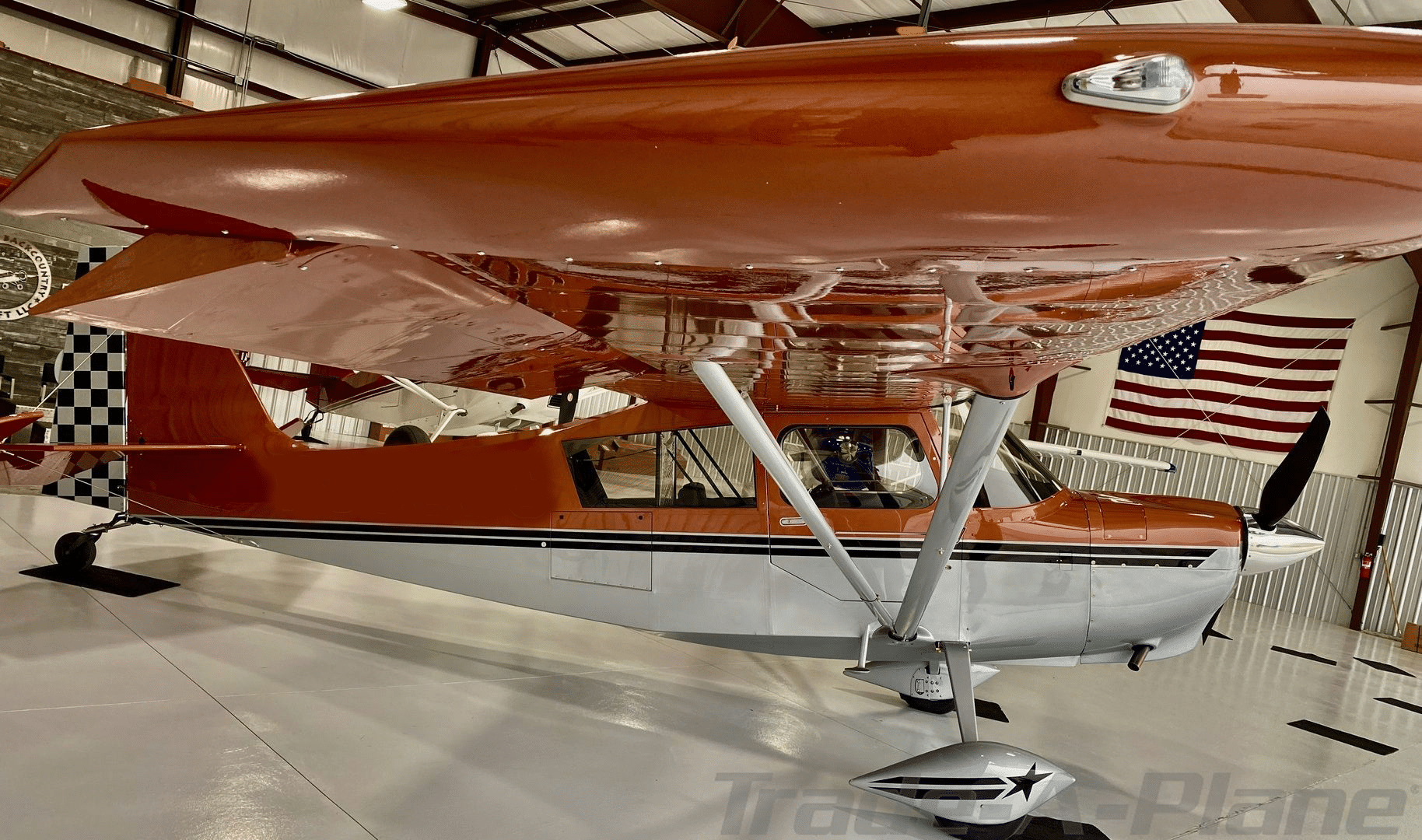
American Champion 8KCAB
Super Decathlon
Engine
AEIO-360-H1B
Lycoming, 180 hp, inverted fuel & oil
Cruise Speed
118 ktas
Economy cruise
Rate at Closing
6.90%
Certified piston
About the 2017 Super Decathlon
The American Champion 8KCAB Super Decathlon descends directly from the Bellanca Citabria/Decathlon line, and it remains one of the most capable factory-built aerobatic trainers still in production. A steel-tube fuselage, wood-spar wings, and fabric covering keep it light and repairable, while the fuel-injected, inverted-system Lycoming AEIO-360 lets the airframe sustain inverted flight for legitimate aerobatic sequences rather than just brief unusual-attitude excursions.
Arizona's dry climate and wide-open airspace make it a popular home base for Decathlons used in spin training, upset-prevention courses, tailwheel endorsements, and private aerobatic proficiency work. This particular airplane came out of that exact use case — a well-maintained trainer with strong logs, a fresh annual, and a buyer who wanted an airplane capable of real aerobatics rather than a Cessna with a story attached to it.
How We Financed This Aircraft
Aerobatic aircraft are financeable, but the file has to do more work than a docile trainer's file. The buyer's tailwheel time and aerobatic training history were part of the underwriting conversation from the first call, not an afterthought at closing. The lender also wanted to see the intended use spelled out clearly — personal proficiency and recreational aerobatics, not a full-time commercial aerobatic school operation, which changes the risk profile and the insurance market considerably.
Comparable sales data for Super Decathlons is thinner than it is for a Cessna 172 or Cherokee, simply because fewer trade hands each year. We worked with the lender's appraisal desk to build a defensible value case using recent Decathlon and Super Decathlon sales, adjusted for engine time, fabric condition, and avionics. A 20% down payment kept the loan-to-value comfortable and helped offset the thinner comp set.
Aerobatic aircraft are financeable — but the file has to answer questions a straight-and-level airplane never raises.
What to Expect in the Process
A typical Super Decathlon or comparable aerobatic-aircraft financing transaction includes:
- Pre-qualification: Establishes budget and loan structure before you start shopping for a specific airframe.
- Aircraft specification: Logbook review with particular attention to spar inspections, fabric condition, and any recorded aerobatic or spin history.
- Pre-purchase inspection: A mechanic familiar with fabric-covered, wood-spar airframes checks control surfaces, hinge points, and spar condition.
- Title search: Standard for all transactions through the FAA Aircraft Registry.
- Insurance: An aerobatic-rated policy reflecting the pilot's tailwheel and aerobatic experience needs to be bound before closing.
- Closing: Funds and title transfer through escrow once inspection and insurance are finalized.
The full process is covered on our loan process page.
Questions Buyers Ask About Super Decathlon Financing
Is it harder to get financing for an aerobatic airplane like the Super Decathlon? +
Not harder, but different. Lenders want to understand intended use — personal aerobatics and training versus a commercial aerobatic school — and they weigh comps differently since fewer Decathlons trade each year than mainstream trainers. A well-documented aircraft with clean logs closes without issue.
Does my tailwheel or aerobatic experience affect loan approval? +
Yes, indirectly. Insurance underwriters weigh pilot experience heavily for tailwheel and aerobatic aircraft, and your ability to bind coverage affects the lender's willingness to close. Buyers with logged tailwheel time and aerobatic instruction typically have an easier path.
How much down payment is typical for a Super Decathlon? +
Most transactions in this category see 15-20% down. Given thinner comparable sales data, a 20% down payment often smooths the appraisal and underwriting conversation.
Do lenders care if the aircraft is used for commercial aerobatic instruction? +
Yes. Commercial use for hire changes both the insurance market and the loan structure. Be upfront about intended use during pre-qualification so we can match you with a lender comfortable with that mission.
How do lenders value an aircraft with fabric covering and wood spars? +
Appraisers weigh fabric age and condition, recorded spar inspections, and recover history alongside standard factors like engine time and avionics. A documented recover and clean spar inspection history support a stronger valuation.
What loan terms are available for aircraft in this price range? +
Terms of 15-20 years are common for certified piston aircraft in the $150,000-$300,000 range, though actual term depends on aircraft age, buyer credit profile, and down payment.
Related Resources