✓
This aircraft has closed. We're sharing it because the financing profile is relevant to anyone considering a similar purchase.
Make / Model
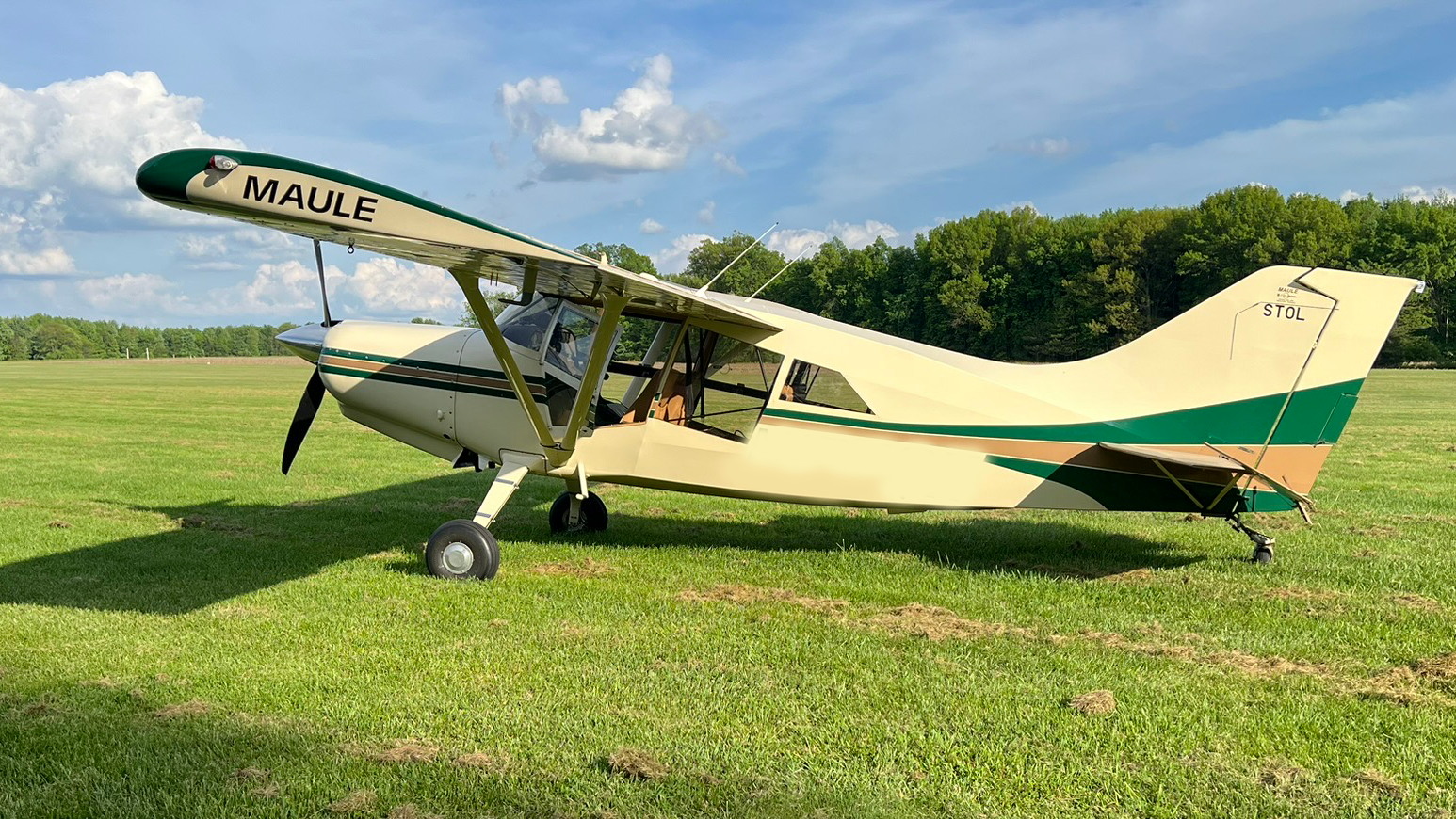
Maule M7-235C
Engine
O-540-J1A5D
Lycoming, 235 hp
Cruise Speed
125 ktas
75% power
Rate at Closing
6.85%
Certified piston
About the 1998 Maule M7-235C
Maule built the M7 series around one job: getting in and out of short, rough strips with a real load on board. The 235C pairs the 235-horsepower Lycoming O-540 with Maule's long-travel gear and big flaps, giving it short-field numbers that rival aircraft twice its price. It's a common choice for buyers in mountain states who fly into gravel bars, backcountry strips, and ranch airstrips that a Cessna 182 or Piper Six would think twice about.
This particular airplane found a Colorado buyer looking for exactly that mission — high-altitude density altitude performance, honest useful load, and a proven airframe rather than an experimental alternative. Well-kept M7s hold their value closely because demand from the backcountry flying community consistently outpaces the number that come to market each year.
How We Financed This Aircraft
Maules present a specific underwriting wrinkle: many are modified with larger tires, STOL kits, and other backcountry equipment that can add real value but also complicate a straight logbook-to-comp appraisal. We worked with the lender's appraisal desk to document each modification with its accompanying paperwork — STC approvals, weight and balance changes, and installation records — so the aircraft's actual value was reflected accurately rather than discounted for lack of documentation.
The buyer's mountain and backcountry flying experience was also part of the file, since insurers price coverage differently for pilots planning to operate regularly off unimproved strips. A 20% down payment kept the loan comfortably inside the lender's risk tolerance for a modified, mission-specific airframe.
A Maule's value lives in its modifications — and a lender can only credit what's properly documented.
What to Expect in the Process
A typical Maule or comparable backcountry-aircraft financing transaction includes:
- Pre-qualification: Establishes budget and loan structure before you start shopping for a specific airframe.
- Aircraft specification: Full accounting of STOL kits, tire and gear modifications, and any STC paperwork.
- Pre-purchase inspection: A mechanic experienced with modified taildraggers checks gear, control surfaces, and modification installs.
- Title search: Standard for all transactions through the FAA Aircraft Registry.
- Insurance: Underwriters weigh backcountry and off-airport operating plans alongside standard tailwheel experience factors.
- Closing: Funds and title transfer through escrow once inspection and insurance are finalized.
The full process is covered on our loan process page.
Questions Buyers Ask About Maule M7 Financing
Do STOL kits and other modifications affect financing on a Maule? +
They can add value, but only when properly documented with STC paperwork and updated weight and balance records. Undocumented modifications may not be credited in the appraisal, so gathering that paperwork before applying speeds things up.
Is it harder to finance a Maule used for backcountry flying? +
Not necessarily, but insurers price coverage based on intended use, and lenders want to see that coverage is in place before closing. Backcountry and off-airport operations are a normal part of the Maule underwriting conversation, not a dealbreaker.
How much down payment is typical for a Maule M7? +
Most transactions in this category see 15-20% down, with modified or heavily equipped airframes sometimes landing toward the higher end of that range.
Does tailwheel experience matter for loan approval? +
Indirectly, yes. Insurance underwriters weigh tailwheel time heavily, and binding coverage is a condition of closing. Buyers with logged tailwheel and backcountry experience typically have a smoother path.
How do lenders value an older Maule against a newer one? +
Appraisers weigh engine time, modification history, and airframe condition more heavily than year alone for Maules, since well-maintained older airframes with good mods often outvalue newer, more basic ones.
What loan terms are available for aircraft in this price range? +
Terms of 15-20 years are common for certified piston aircraft in the $100,000-$200,000 range, depending on aircraft age, buyer credit profile, and down payment.
Related Resources