
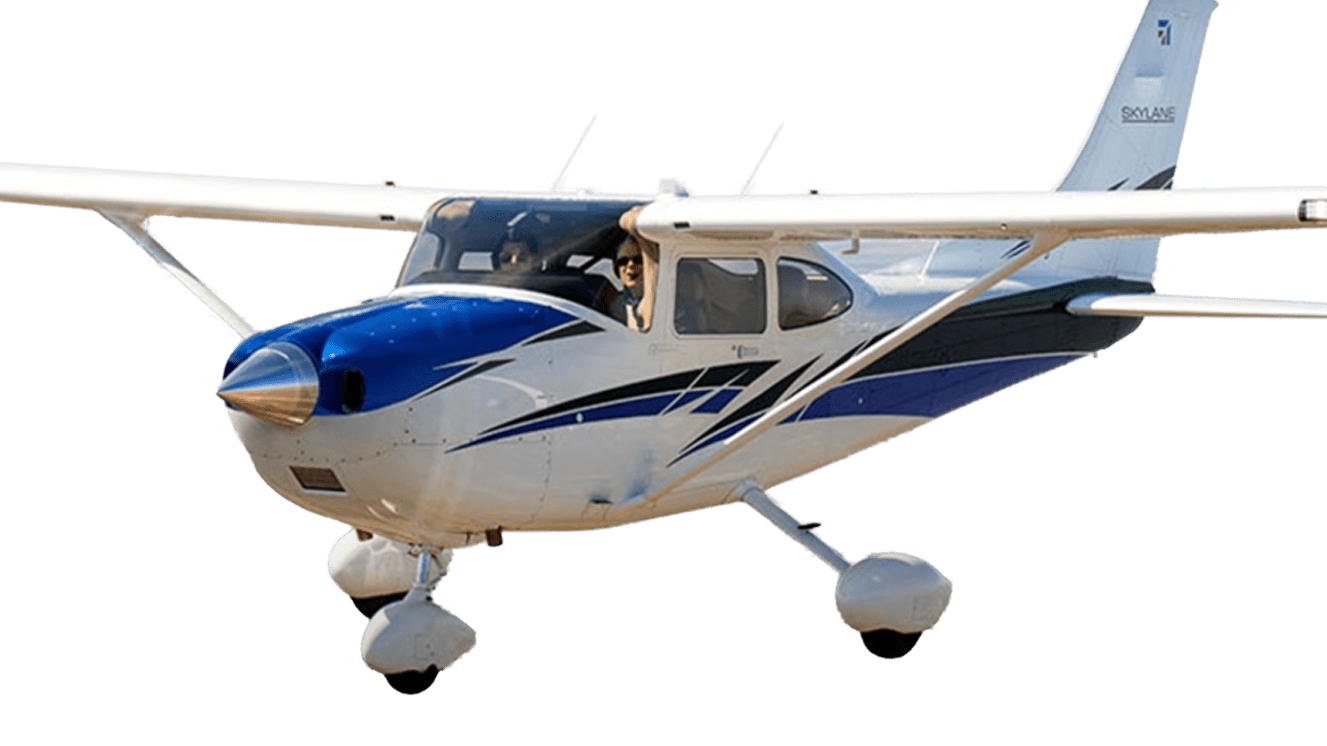
The 1977–1980 Skylane that swapped in the longer-life O-470-U engine, then picked up a heavier gross weight, bigger fuel tanks, and a 28-volt electrical system partway through the run.
| Engine | Continental O-470-U |
|---|---|
| Horsepower | 230 hp @ 2,400 RPM |
| Seats | 4 |
| Max speed (sea level) | 148 kt |
| Cruise speed (75% power, 8,000 ft) | 144 kt |
| Max range (10,000 ft, long-range tanks) | 910 nm (75 gal usable, 45-min reserve) |
| Useful load | 1,233 lb (Skylane) / 1,169 lb (Skylane II) |
| Max takeoff weight | 2,950 lb (1977) / 3,100 lb (1978–80) |
| Fuel capacity | 61 gal standard / 80 gal long-range (1977); 88 gal wet-wing standard (1978–80) |
| Service ceiling | 16,500 ft |
| Rate of climb | 1,010 fpm |
| Typical price | Used ~$90k–$160k depending on year, engine time, and avionics |
Figures above are 1977 factory numbers, the first year of the Q designation. Partway through the run (1978) Cessna raised gross weight to 3,100 lb, switched to 88-gallon wet-wing tanks, and moved to a 28-volt electrical system — so a 1979 or 1980 182Q carries meaningfully more fuel and payload than an early 1977 example. For the earlier carbureted 182P, see our Cessna 182P Skylane page; for the current-production 182T, see our Cessna 182 Skylane hub.
Aviation Consumer's used-aircraft guide to the Skylane line singles out the O-470-U fitted to the 182Q as the pick of the litter: it carries a 2,000-hour TBO, versus 1,500 hours on the earlier L and R variants, and it sidesteps the piston-ring issues Aviation Consumer flags on the 1975–76 O-470-S. Aviation Consumer's Cessna 182 Skylane history also credits the mid-run 1978 changes — 88-gallon wet wings replacing the old bladder tanks, a gross weight bump to 3,100 lb, and a 28-volt electrical system that solved the cold-weather starting trouble common to 14-volt 182s. Put together, a late 182Q is arguably the most capable of the fixed-gear carbureted Skylanes.
None of a 1977–1980 182Q's spec sheet has changed, of course — but the Skylane name is still very much alive. In April 2026, Textron Aviation announced the current-production 182T is moving to Garmin G1000 NXi System Release 7 alongside the Skyhawk, adding Smart Glide engine-out assistance and Remote Wake, plus Lycoming's dual electronic ignition system fleet-wide, showcased at EAA AirVenture Oshkosh 2026. It's a big part of why parts, service centers, and a healthy used market still support a nearly 50-year-old 182Q today.
A 182Q finances the same way as any classic certified single: up to 20 years, as little as 15%–20% down, with the loan amount driven mostly by remaining engine time to overhaul, avionics upgrades, and airframe condition. Later (1978–80) examples with the bigger 88-gallon tanks and higher gross weight typically command a premium over an early 1977 model with the smaller standard fuel system.
1977 O-470-U, late-model 88-gallon 182Q, or a current-production 182T — get a real number on financing before you make an offer.
| 182Q (1977) | 182Q (1978–80) | 182P | 182T (current) | |
|---|---|---|---|---|
| Engine | 230 hp O-470-U | 230 hp O-470-U | 230 hp O-470-S | 230 hp Lycoming IO-540 |
| Gross weight | 2,950 lb | 3,100 lb | 2,950 lb | 3,110 lb |
| Electrical system | 14V | 28V | 14V | 28V |
| Best for | Cheapest O-470-U entry point | Most fuel & payload of the carbureted Skylanes | Lowest purchase price | Warranty & factory G1000 NXi |
Against its immediate predecessor, the 182P, the 182Q's main advantage is the longer-life O-470-U engine and, from 1978 on, more fuel and payload. Against the current 182T it gives up fuel injection and modern avionics but costs a fraction of the price. See our Cessna 182P Skylane and Cessna 182 Skylane hub pages for the full lineup comparison.
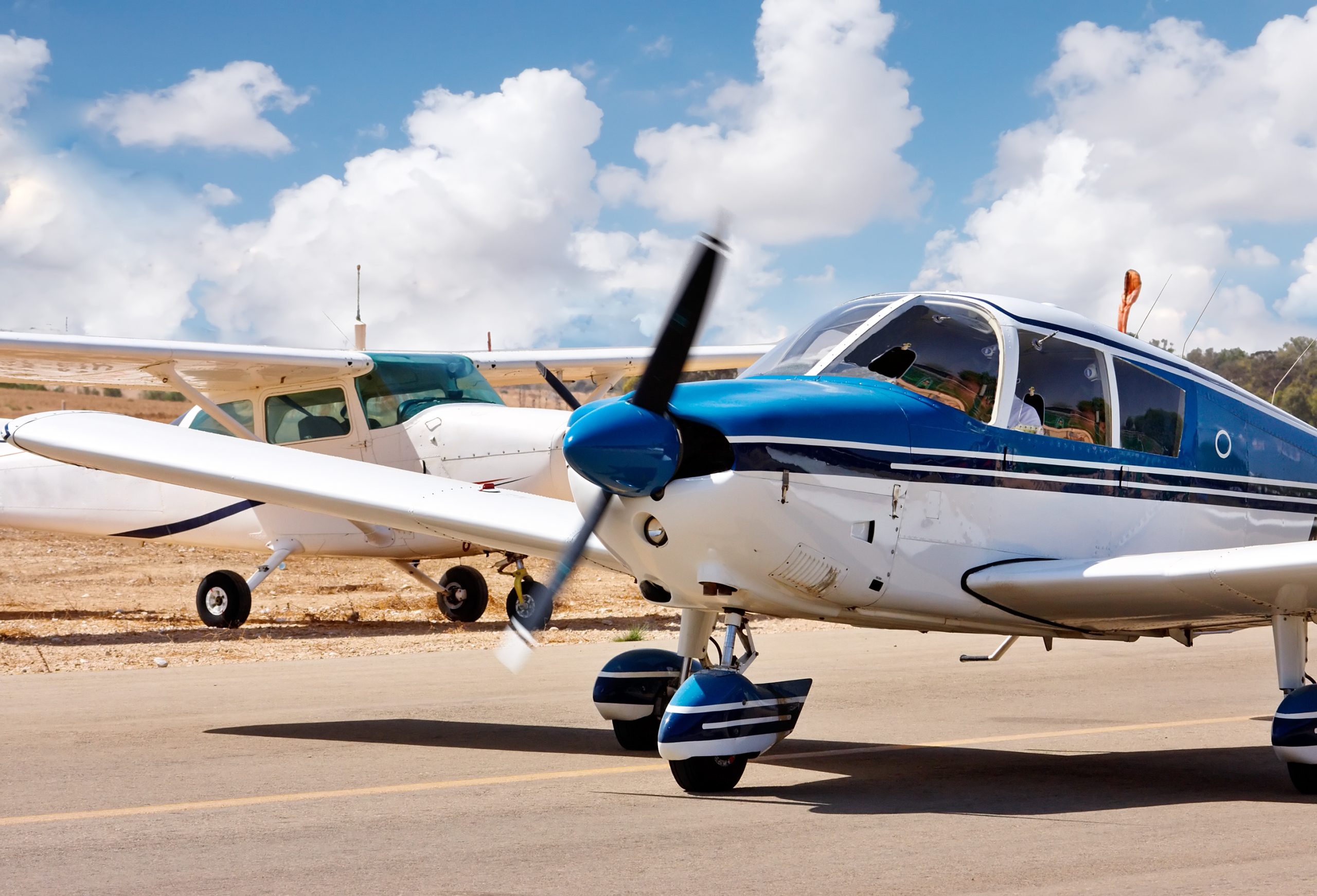
Used 182Qs typically trade from about $90,000 to $160,000, with later (1978–80) examples commanding a premium over early 1977 models thanks to their larger fuel tanks and higher useful load. Estimate a payment.
Factory numbers show 148 knots max speed at sea level and 144 knots cruising at 75% power at 8,000 feet, with a maximum range near 910 nm on long-range tanks.
Both use a carbureted 230-hp Continental engine, but the 182Q's O-470-U carries a 2,000-hour TBO versus 1,500 hours on the 182P's O-470-S, and from 1978 the 182Q added an 88-gallon wet-wing fuel system, a higher gross weight, and a 28-volt electrical system.
Yes. Early 1977 182Qs match the 182P's 2,950-pound gross weight and 61/80-gallon fuel system; starting in 1978, Cessna raised gross weight to 3,100 pounds, switched to 88-gallon wet wings, and moved to a 28-volt electrical system.
Yes, as a certified single with terms up to 20 years and 15%-20% down typical for classic pistons.
Sources: Aviation Consumer, Cessna 182 Skylane history and buyer's guide; Cessna 1977 Model 182Q Pilot's Operating Handbook, factory performance specifications; Textron Aviation, Cessna Piston Fleet flight-deck upgrade announcement (April 2026).
Talk to a specialist
Tell us how to reach you and a FLYING Finance specialist will follow up to talk through rates, down payment and timing for the aircraft you have in mind.
Prefer to call? (702) 757-1176