There is a distinct, unforgettable sensation when you push the throttle full rich.
Whether you are feeling the sudden, pinning thrust of a turbine engine spooling up on an early morning runway, or hearing the synchronized roar of multi-engine outboards digging into the waters around you, the feeling is universal. It is the absolute freedom of the horizon.
That horizon looks remarkably similar right now. Whether you are at the helm of a center console or checking the avionics panel at 15,000 feet, the leisure economy is seeing a distinct product mix shift. Underneath the waves of the news headlines, there has been an evolution of the enthusiast lifestyle. If you have spent any time at a bustling marina or walking the flight line of a private tarmac lately, you have likely felt the change in the wind. The vessels and aircraft that command our attention today are no longer just modes of transportation. The entire leisure experience is elevating. We have entered a stunning new era of premiumization, where the boats and planes we dream of are bigger, faster, and more beautifully appointed than ever before.
For the past year, the recreational boating and general aviation industries have been flying through the exact same macroeconomic turbulence, a refinement that is churning out new aircraft and vessels with Italian leather and Garmin glass cockpits like the Tecnam Gran Lusso, the Piper M700 Fury and the Maxim Max 44R, powered with enough horsepower to rip through density altitude, chop or swells.
Commanding the Sky: The Frictionless Flight
Look inside the modern general aviation hangar, and the transformation is breathtaking. The utilitarian, bare-metal entry-level trainers of the past have gracefully yielded the runway to a new class of high-performance marvels.
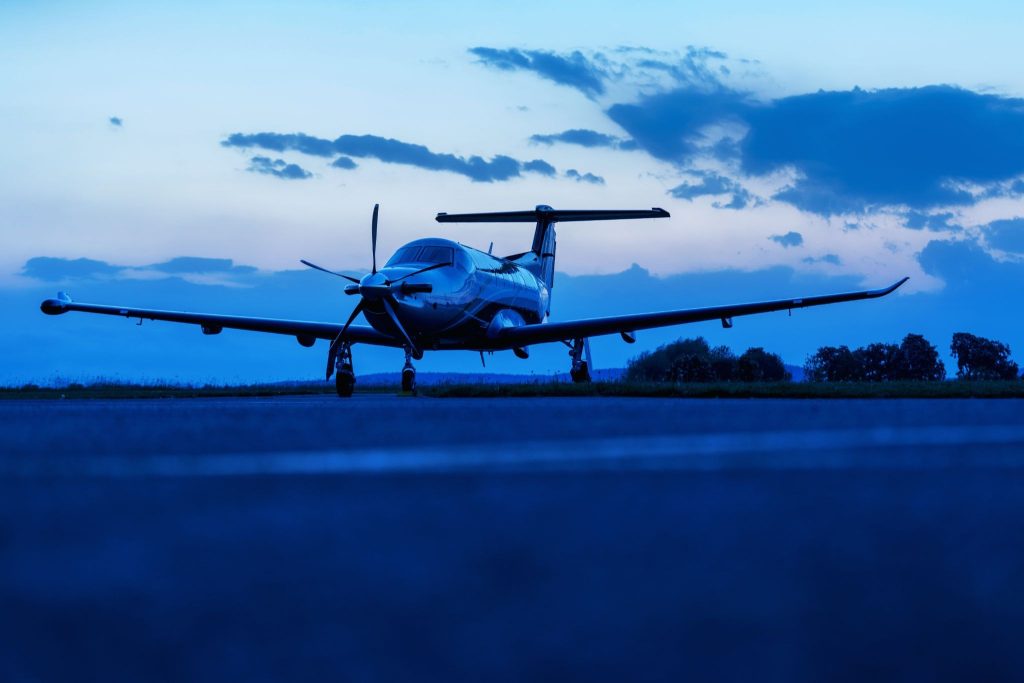
Today’s aviation enthusiast is looking for a seamless, frictionless experience. When you step into the cabin of a modern business jet or a high-end turboprop, you are greeted by hand-stitched leather yokes, whisper-quiet pressurized cabins, and panoramic glass panels that deliver absolute situational awareness. The journey itself has become the destination.
Pilots and owners are chasing the altitude where the air is perfectly smooth, trading up from piston singles to turbine power to fly higher, faster, and with unparalleled comfort. It is about arriving at your destination not just on time, but entirely relaxed and ready for the weekend.
Mastering the Sea: The Floating Oasis
The view from the helm has evolved just as dramatically. The days of sacrificing comfort for offshore fishing capability are entirely in the rearview mirror.
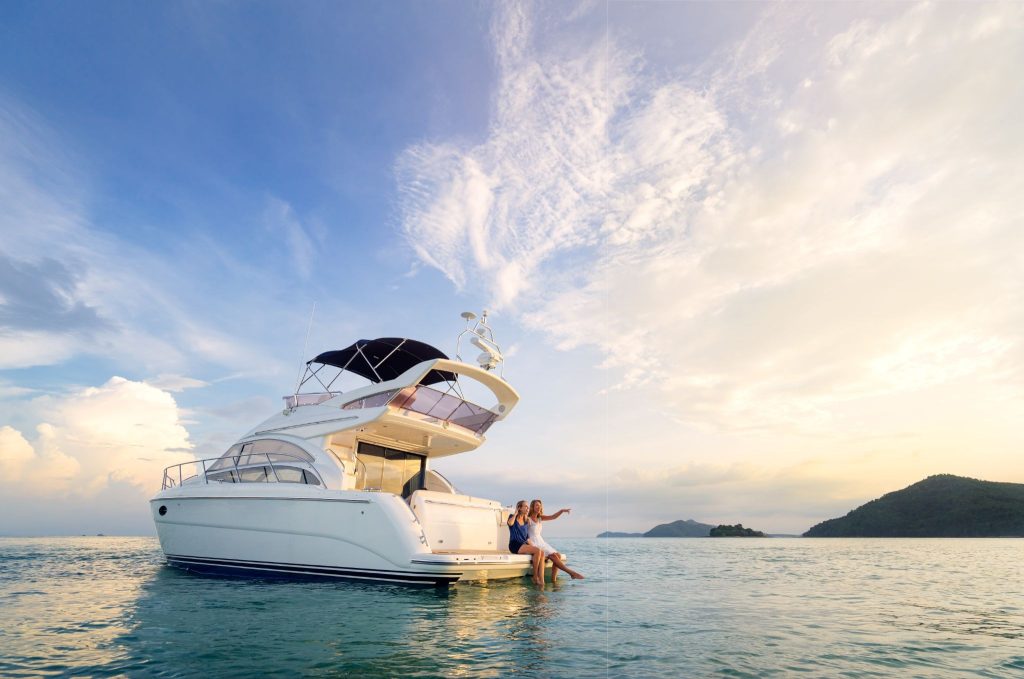
Today, the recreational marine market is defined by breathtaking scale and uncompromising luxury. The center console has grown from a simple fishing platform into a majestic, ocean-taming beast. Step aboard a modern 50-plus-foot sport yacht, and you are standing on sun-drenched, flawless teak decks. You will find climate-controlled helms, gyroscopic stabilizers that erase the roll of the ocean, and master staterooms that rival luxury penthouses.
When you grip the wheel and feel the sheer, relentless power of thousands of horsepower surging through the water, you understand exactly why enthusiasts are flocking to these premium vessels. They aren’t just buying boats; they are claiming their own private, floating islands.
Welcome to the era of hyper-premiumization. It’s a structural realignment of who buys, how they buy, and what it means for the future of both industries.
Behind the Scenes: A Snapshot
Take a brief look behind the curtain at the data, and the parallels between marine and aviation are impossible to ignore.
-
- As highlighted in Honeywell’s forecast of record growth in business jet deliveries, while the top of the market boomed, the bottom leveled out. The total number of single engine piston aircraft shipped in 2025 increased by a mere 10 units year-over-year. The near 15% revenue surge in global billings was achieved almost entirely on the back of ultra-premium jets and heavily optioned aircraft.
-
- The marine industry, aviation’s big brother, is mirroring this exactly, albeit at a vastly larger unit scale. New powerboat retail units have dipped by nearly 10% nationwide, settling around 220,000 units annually. Yet, the total market value stubbornly holds at roughly $7.1 billion. Manufacturers are leaning into fixed-cost deleverage, building fewer family bowriders and pouring their supply chain resources into heavily optioned 50-foot sport yachts.
Two Decades in Two Paragraphs
This shift is not a repeat of the early 2000’s, where both areas of the leisure economy saw massive, volume-driven production peaks, with jet deliveries approaching 1,000 units annually. Instead, the legacy manufacturers, having recovered from the Great Recession, the pandemic and tariff shocks to the supply chain, have opted for a premium, custom approach to making the aircraft and vessels we aspire to owning, and being able to afford.
Faced with a world in which everything costs more, including making propellers and outboards, manufacturers have made the calculated choice to move up margin. From Textron Aviation’s highly profitable Cessna Citation jet lineup to Tiara Yachts brand new 35LS, the playbook has changed to keep pace with the Instagram lifestyle of experiences.