 Credit: Tripp Thurston
In Monopoly, the “Get Out of Jail Free” card sits in your hand doing nothing until the exact moment you need it. Then it’s worth everything. The aircraft market in the second half of 2026 has handed serious buyers something similar: stabilizing rates, permanently restored bonus depreciation, and a brand-new aircraft certification category that takes effect during Oshkosh week itself.
The One Big Beautiful Bill Act, signed July 4, 2025, permanently restored 100 percent first-year bonus depreciation for business aircraft. No phaseout. No sunset clause. No retroactive clawback. The full guide — including state-by-state income tax considerations — is at flyingfinance.com/aircraft-financing-bonus-depreciation/.
Place a business aircraft in service before December 31, 2026, and you can deduct its full purchase price in year one. That date is not when bonus depreciation expires. It is the last day to apply it to your 2026 tax year. The provision itself is permanent. What expires is your 2026 opportunity. A December 31 placed-in-service date that slips to January 2 because your avionics shop has a six-week backlog is a significant and entirely avoidable mistake.
At a 37 percent effective tax rate, the numbers are significant enough to be part of the purchase conversation, not an afterthought:
| Aircraft | Purchase Price | Year-1 Tax Savings @ 37% |
|---|---|---|
| Cirrus SR22 G7 | $975,000 | $360,750 |
| Cirrus SR22T G7+ | $1,175,000 | $434,750 |
| Piper M350 | $1,300,000 | $481,000 |
| TBM 960 | $5,620,000 | $2,079,400 |
| TBM 980 | $5,820,000 | $2,153,400 |
| Pilatus PC-12 NGX | $5,900,000 | $2,183,000 |
“Placed in service” means airworthy and in active business use — not simply purchased, and not sitting in an MRO queue. Your aviation CPA needs to be in this conversation before you sign a purchase agreement, not after.
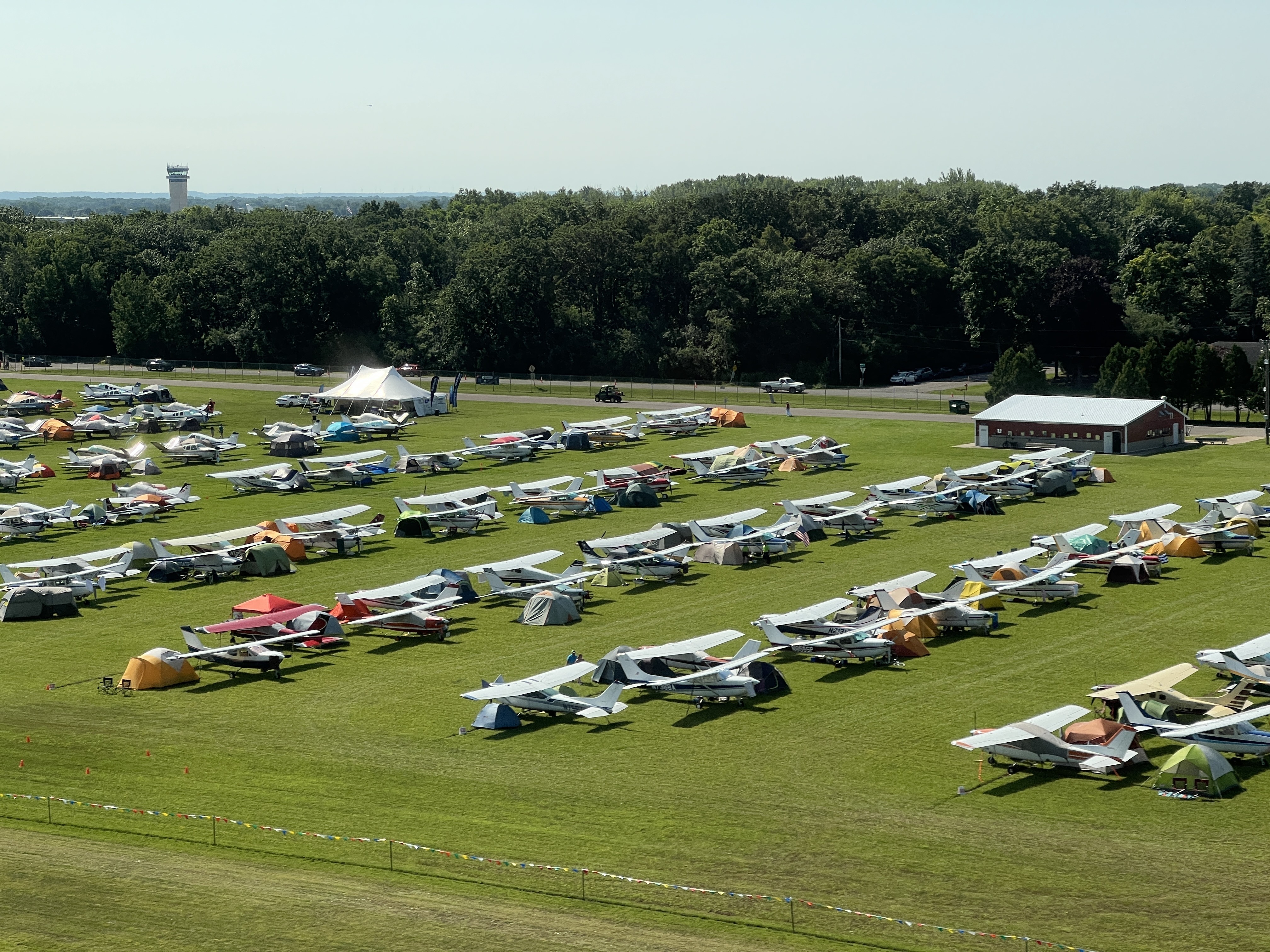
AirVenture 2026 runs July 20–26 at Wittman Regional Airport (KOSH). Half a million people. Ten thousand aircraft. FLYING Magazine and FLYING Finance will be on-site at Booth 2004.
Cirrus, Cessna, Piper, Diamond, Beechcraft — the certified piston category owns the buying conversation at Oshkosh, and the bonus depreciation numbers make that conversation more compelling than usual this year. A $1.175M SR22T G7+ represents $434,750 in year-one tax savings at a 37 percent rate. That’s not a footnote. That’s nearly half the aircraft.
Build your timeline backward from December 31 before you shake hands at the show. An aircraft closed in August and in business service by September qualifies. A Cirrus with a panel installation that starts in October and runs past December does not. The buyers who close are the ones who arrive pre-approved.
Start your pre-approval before AirVenture.
Soft pull · Rate locked 30 days · 90 days to find your aircraft
The aircraft certification provisions of MOSAIC take effect July 24, 2026 — the Tuesday of show week. The FAA replaces the old 1,320-pound weight limit with a stall-speed framework: a fixed-wing airplane qualifies as a light sport category aircraft with a VS0 of no more than 61 knots CAS. Up to four seats. Maximum cruise of 250 knots. Retractable gear now permitted. Night flight allowed with a medical and night endorsement.
Factory-built aircraft certificated under the new Part 22 framework finance at the light sport rate through FLYING Finance. On a $295,000 Bristell RG financed over 20 years at 15 percent down, the difference between the LSA rate and the EAB rate is roughly $75 per month — $18,000 over the life of the loan. Meaningful. Worth confirming which category applies before you apply.
What MOSAIC does not do is reclassify existing EAB aircraft. The Van’s RV-15 and the Bearhawk 5 stall well below both thresholds — but they are not, and will never be, Part 22 aircraft. They are experimental amateur-built aircraft. Asking a Bearhawk builder whether he wishes his aircraft were a Part 22 light sport is like asking an F-350 owner whether he wishes his truck were a hybrid. The category is beside the point. The mission is the point.
Live rates always at flyingfinance.com/aircraft-loan-rates/
After the show, there is a window that rewards the prepared buyer. Summer flying wraps up. Sellers who didn’t move at or after Oshkosh become more motivated. Pre-owned inventory is fully disclosed. The compression toward December 31 picks up in November. An aircraft acquired in September and placed in service in October beats an aircraft acquired in November with an avionics backlog staring at the calendar. Build in the buffer.
FLYING Finance is the aircraft financing division of Firecrown Media, publisher of FLYING Magazine. Rates current at flyingfinance.com/aircraft-loan-rates/. Payment figures are estimates at stated rates and standard terms. Consult your aviation CPA for guidance on bonus depreciation eligibility, placed-in-service requirements, and entity structuring.
Talk to a specialist
Every aircraft and every buyer is a little different. Tell us how to reach you and a FLYING Finance specialist will follow up to talk through your aircraft, your numbers and your timing.
Prefer to call? (702) 757-1176